
Home > Research Unit > Training > Pagina 2
Head of Unit
-
gturco
-
gurciuoli
-
lraiti
-
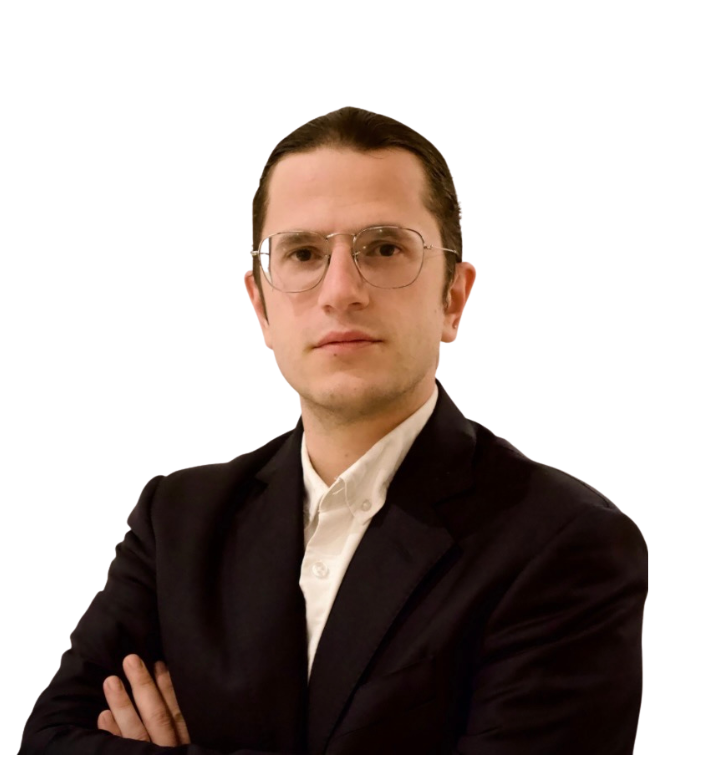
Manfredi Valeriani
Manfredi Valeriani earned his PhD at Hamburg University and Luiss University with a thesis on “Funding Instruments to Italian NGOs” is a Post-Doctoral Researcher at Luiss where he also teaches Political Risk Analysis and International Politics and Businesses. He has been Adjunct Professor at the University “L’Orientale” in Naples and at the American University of Rome. His research currently focuses on Structured Analytic Techniques, Scenario Analysis, and Italian Foreign Policy.
-
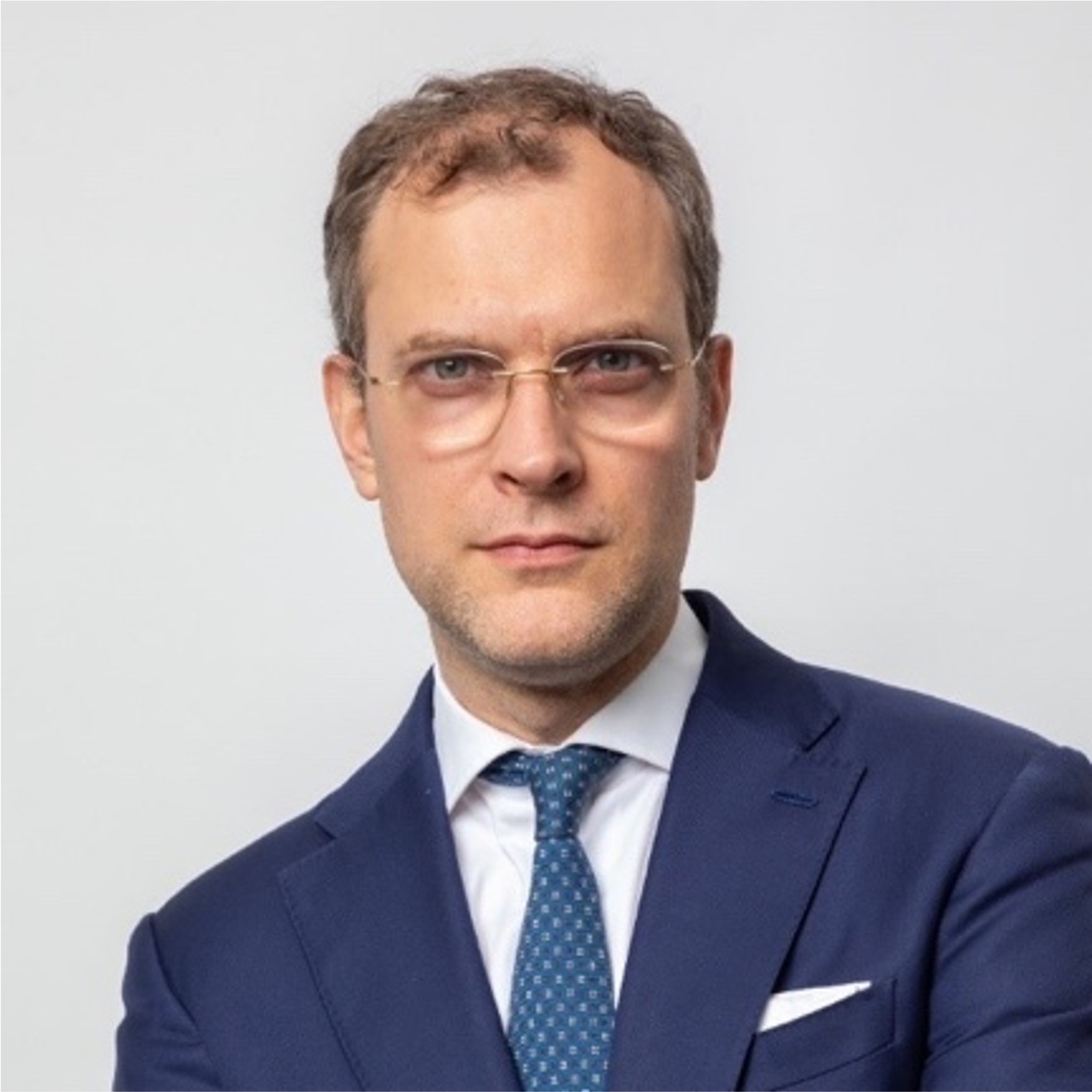
Marc Reverdin
Marc Reverdin is an international expert in public affairs and strategic diplomacy. He is the founder and CEO of Reverdin Consulting, a high-level advisory firm that helps companies and institutions navigate major geopolitical, economic, and environmental challenges. A former French diplomat, he served in Paris, Rome, and the services of the French Prime Minister before co-founding the Paris Peace Forum, an initiative of the French President launched in 2018. He now leads or advises several international initiatives, particularly in the agrifood, African, and Mediterranean sectors. Marc is also a frequent speaker, high-level moderator, and lecturer in international affairs.
-
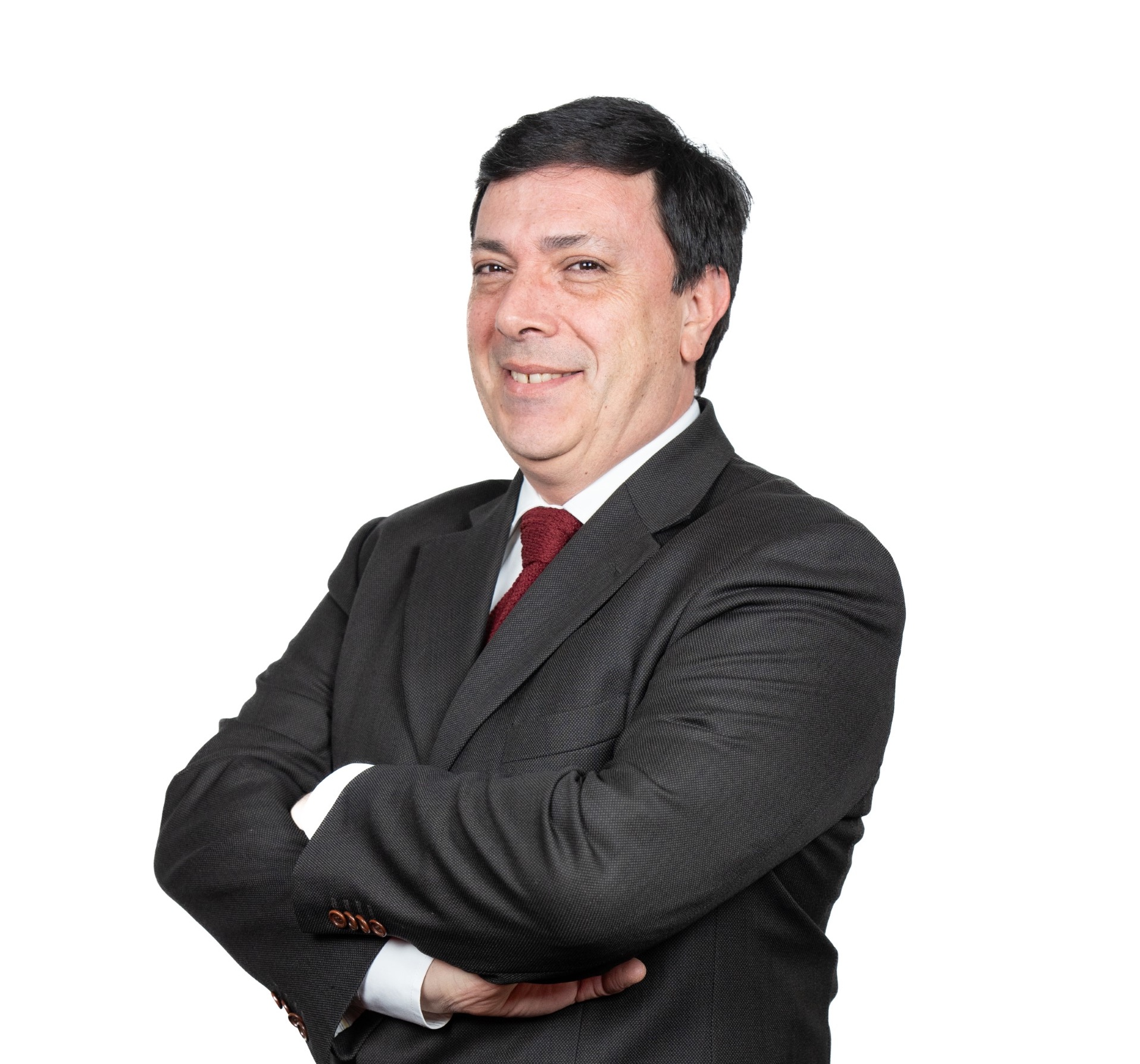
Marco Massoni
Marco Massoni (PhD, Rome 1972) is an independent political analyst and international relations expert, specialist in Africa, Latin America, and Extra-Western philosophies. Since 2022, he has been teaching African Studies at LUISS University of Rome. As of 2025, he directs the Africa and Latin America Research Unit at LUISS’s Centre for International and Strategic Studies (CISS). Previously, he served as Diplomatic Senior Advisor for the Italian G8 Presidency and worked with the EU, OSCE, UN (FAO, UNHCR), NGOs, and think tanks. From 2011 to 2017, he was Director of African Research at IRAD at the Italian Centre for Defence Higher Studies (CASD), where he still lectures. He was Editorial Director of the quarterly Politica Africana. He has taught Development Studies at The American University of Rome (AUR) and International Law and Peace Processes at Roma Tre University. He is a consultant of the European Union External Action Service (EEAS) and the OSCE Office for Democratic Institutions and Human Rights (ODIHR), extensive experience in the field of democratisation processes, electoral observation & electoral assistance, diplomacy & negotiation, cyber-diplomacy, human rights & humanitarian law, mediation, peacebuilding & conflict resolution, post-war reconstruction and strategic studies.
-
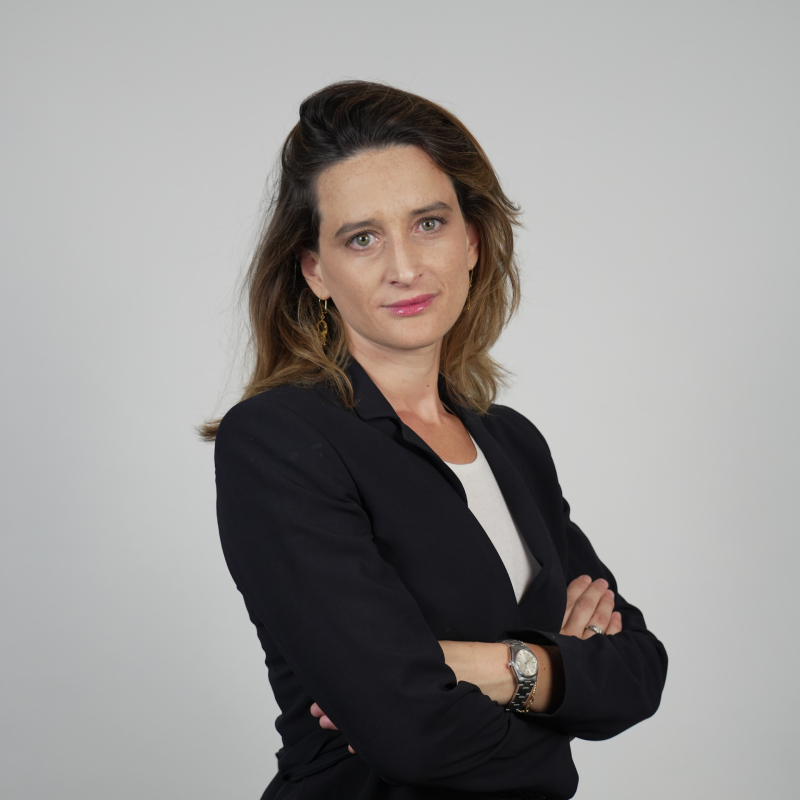
Maria Giulia Amadio Viceré
Maria Giulia Amadio Vicerè is Assistant Professor (Tenure Track) in Political Science at the Department of Political Science of Luiss University and a Visiting Fellow at the Robert Schuman Centre for Advanced Studies (EUI). Before that, she has been a Marie Marie Skłodowska-Curie Fellow at Robert Schuman Centre for Advanced Studies (EUI), an Adjunct Professor and post-doctoral fellow at Luiss University, and an Assistant Professor at Leiden University. She held various visiting positions in international renowned institutions, among which the German Institute for International Affairs, the Centre for European Studies at Harvard University, the Henry M. Jackson School of International Studies at the University of Washington, and the Policy Institute at King’s College. Over time, she has also been the recipient of merit-based scholarships and grants from the European Commission; the Zegna Group; the Lazio Region; and the The Australian Centre for Applied Philosophy and Public Ethic. Beyond academia, she has been a Research Associate at the Istituto Affari Internazionali, a Research Fellow at the Policy Planning Unit of the Italian Ministry of Foreign Affairs and International Cooperation, a Blue Book Trainee at the Service for Foreign Policy Instrument of the European Commission and a research intern at the European Policy Centre. Moreover, she has briefed and provided training to public and private institutions, among which the Institute for Advanced Studies of the Italian Ministry of Defence, Oxford Analytica, the European Institute for the Mediterranean, the Swedish Institute for European Studies, the Foundation for European Progressive Studies, Villa Vigoni, and il Sole 24 Ore Business School.
-
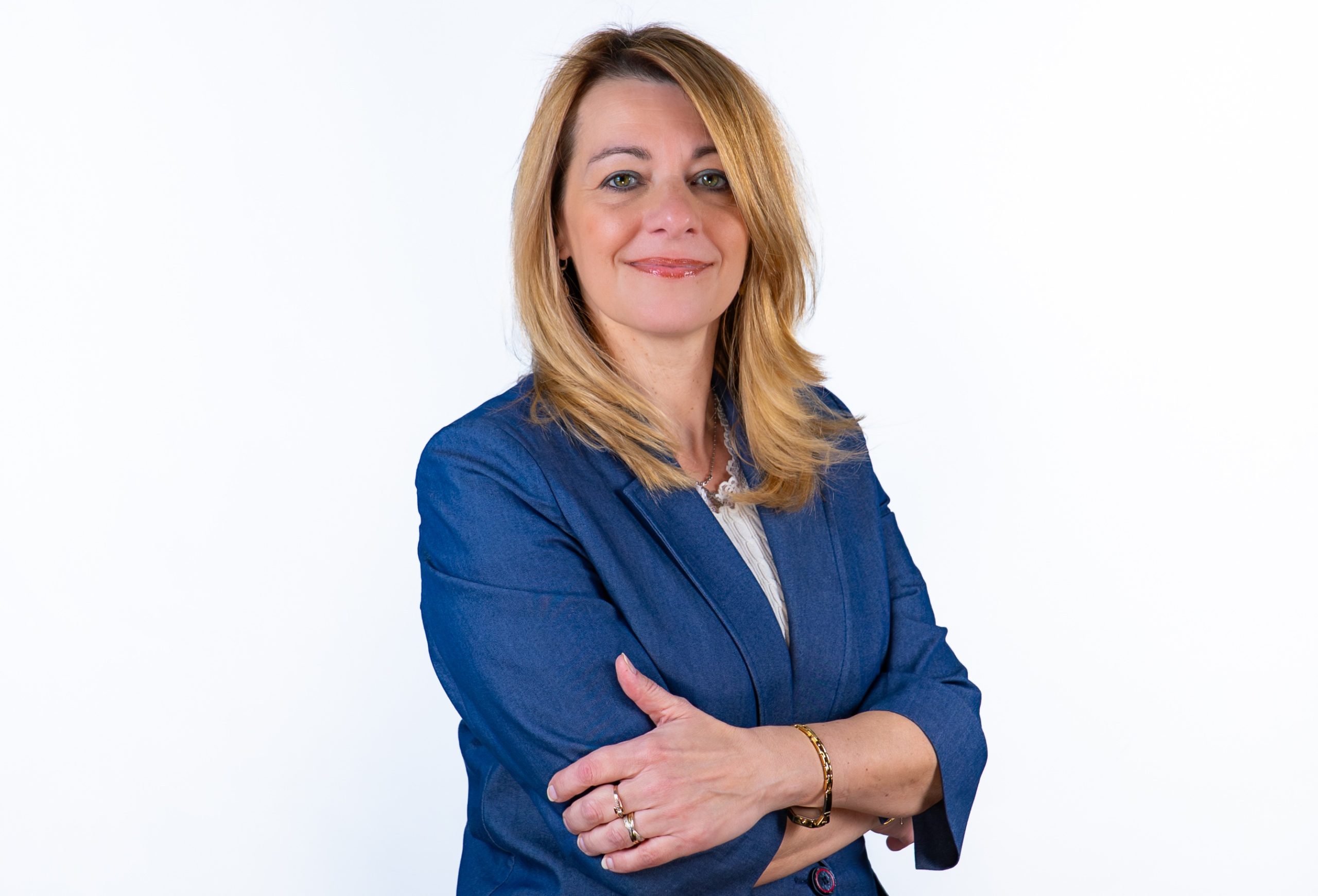
Marlène Agnès Laruelle
Marlene Laruelle is a Full Professor of Political Science at Luiss Guido Carli University and previously served as Research Professor at The George Washington University’s Institute for European, Russian, and Eurasian Studies (IERES) from 2011 to 2025, where she held leadership roles as Associate Director and Director. She earned her Ph.D. in History from INALCO in Paris and a habilitation in Political Science from Sciences Po Paris. Laruelle leads the Illiberalism Studies Program, a transatlantic platform dedicated to research on illiberalism and postliberalism, and is a non-residential Senior Fellow at the Stimson Center. Throughout her career, she has held fellowships and visiting appointments at notable institutions such as the Institut für die Wissenschaften vom Menschen in Vienna, IFRI, the Carnegie Council, the Woodrow Wilson Center, and SAIS–Johns Hopkins University. She has authored or edited over twenty books with top academic presses, including recent monographs like Ideology and Meaning-Making under Putin Regime (2025) and Russia’s Arctic: A Changing Geopolitical and Environmental Context (2026), alongside numerous articles in leading scholarly and policy publications.
Trained as a historian of ideas, Laruelle’s early work focused on post-Soviet Central Asia and Russia, examining nation-building processes, regional geopolitics, labor migration, and the intellectual underpinnings of Putin’s regime. Her research later expanded to the Russian Arctic, exploring how environmental change, infrastructure development, and territorial imaginaries influence political worldviews. More recently, she has turned to conceptual history and global comparative studies, analyzing the challenges facing liberalism and the emerging normative alternatives to the liberal international order. Her scholarship bridges academic rigor with policy relevance, offering insights into the evolving political and intellectual dynamics of Russia and the broader international system.
-
mduffizi
-
msidoretti
Researcher
-
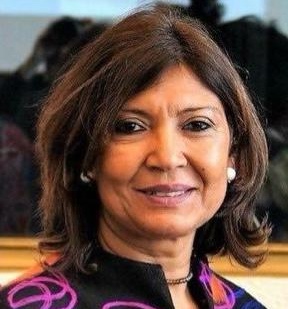
Maria Helena Semedo
Maria Helena Semedo, former FAO Deputy Director General (Climate and Natural Resources) between 2013 and 2024, is an economist and politician from Cape Verde. As leading expert in global development issues, she has worked in public service for over thirty years. She was FAO’s representative in Niger, then Deputy Regional Representative for Africa and Sub-regional Coordinator for West Africa. She also worked as an economist for the Cabo Verde Ministry of Planning and Cooperation, became Secretary of State for Fisheries, and then Minister for Fisheries, Agriculture and Rural Affairs – the first-ever woman Minister in her country. After serving as Minister for Tourism, Transportation and Marine Affairs from 1995-1998, she became Member of Parliament until 2003.
-
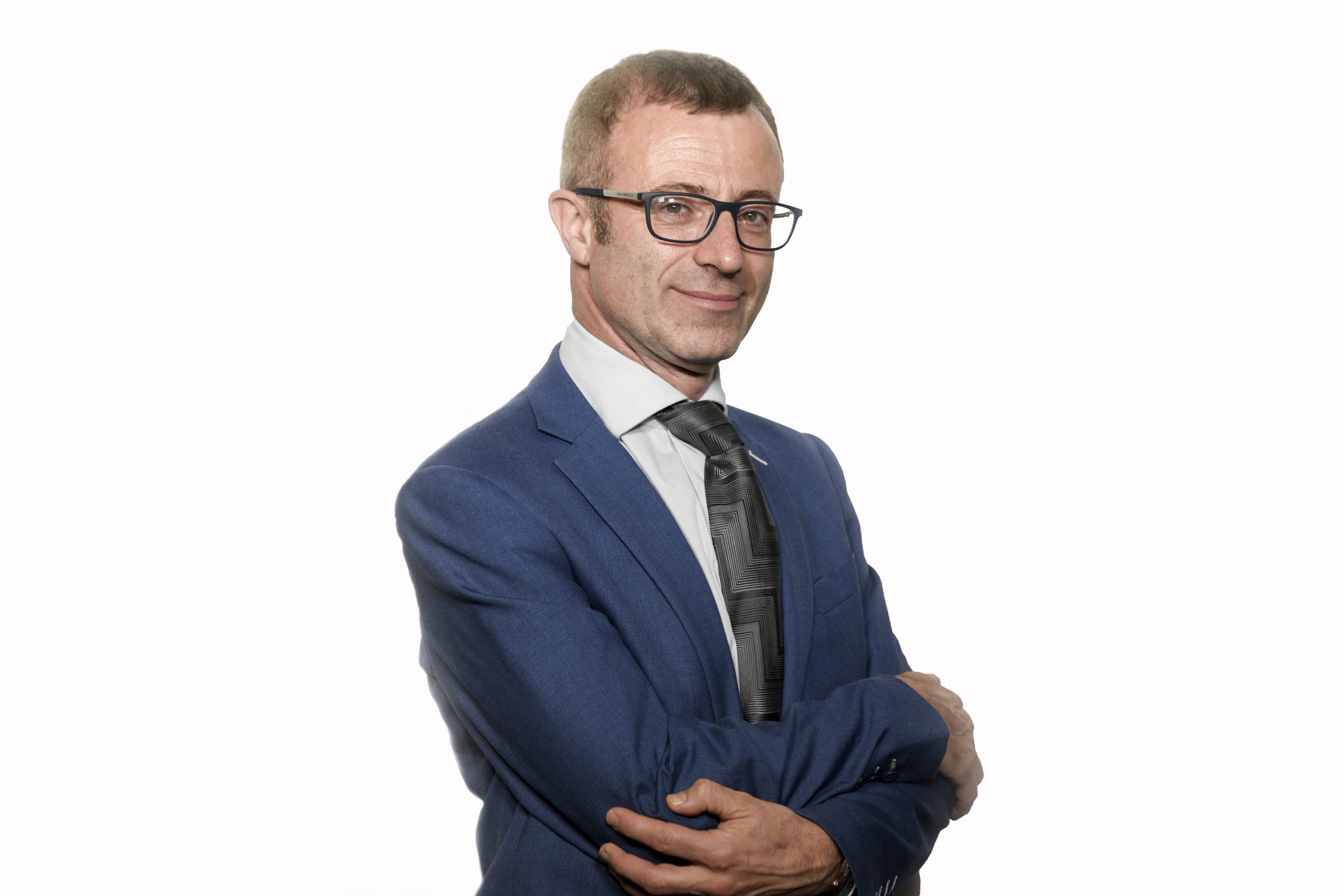
Mark Thatcher
Mark Thatcher is Professor of Politics, Department of Political Science, Luiss University, Rome, and was previously Professor of Comparative and International Politics at the London School of Economics. His research interests lie in comparative public policy and regulation in Europe. He is studying comparative policies towards cultural heritage, at both national and EU levels. Recent publications on cultural heritage policies include: ‘Differentiated implementation and European integration: the development of EU food quality labelling’ (with Monica Garcia Quesada) (2023), West European Politics; ‘State museums raising their own resources: a comparison of the legal and managerial frameworks in Italy, France, and England’ (with Anna Pirri Valentini) (2022), Arte e Diritto 1(1): 53-79; -‘Direct and market governance paths for the creation of an EU political identity: cultural heritage policy’, Comparative European Politics 17(4) (2019): 585-602; ‘The state and historic buildings: preserving “the national past”’, Nations and Nationalism (2018); -‘State production of cultural nationalism: political leaders and preservation policies for historic buildings in France and Italy’, Nations and Nationalism 24 (1), 2018, 64–87.
-
Martina Carbonaro
-
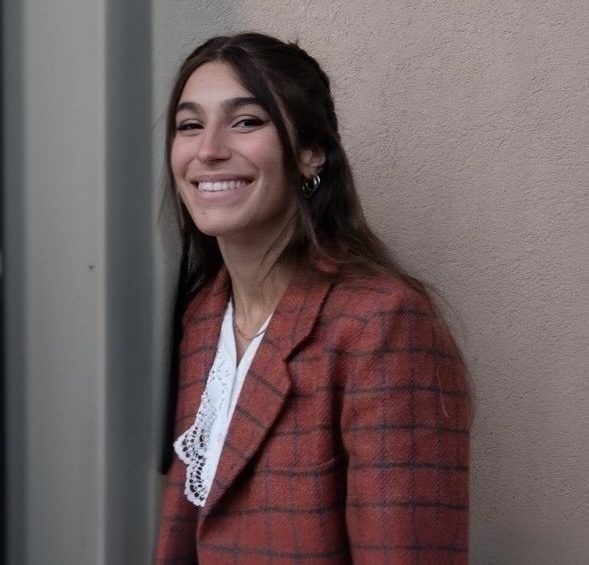
Martina Lucaccini
Martina Lucaccini is a PhD candidate in Cybersecurity and a teaching assistant at LUISS Guido Carli University. She is enrolled in a joint PhD program between LUISS and Sapienza. Her research focuses on cybersecurity and Internet controls. Currently, she investigates digital transnational repression targeting political exiles and diaspora communities. She received her MA in International Relations and European Studies at the University of Florence.
-
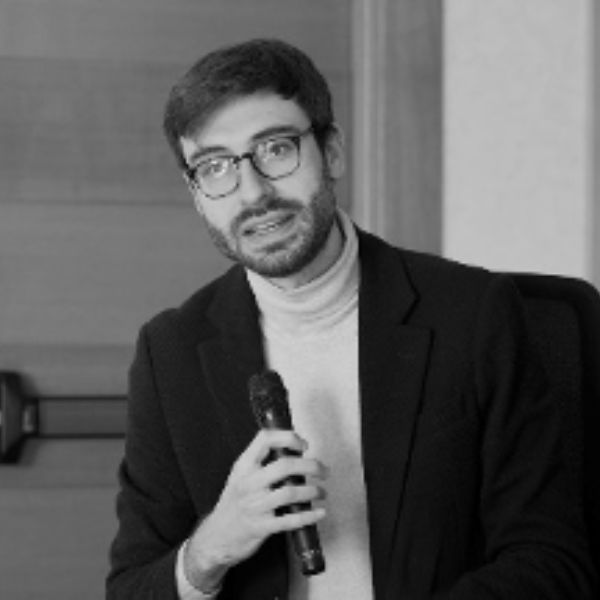
Mattia Zunino
Mattia Zunino is postdoctoral researcher at the Department of Political Science at LUISS, where he also teaches Sociology of Communication. He holds a PhD cum laude in Politics: History, Theory and Science at the same university. He previously held a research fellowship at the University of Salerno and currently collaborates with the Sacred Convent of Assisi and the Italian National Forum of the Third Sector on training and tutoring initiatives aimed at civic and social actors. His research interests focus on political participation, media studies, and peace and conflict studies.
-
Mauro Gilli
Mauro Gilli is a Senior Researcher at the Swiss Federal Institute of Technology in Zurich (ETH – Zurich). He received his PhD in Political Science from Northwestern University in 2015. His research interests include military technology and operations. His Twitter account is @Mauro_Gilli.
-
Michele D’Orazio
-
Michele Pertosa
Michele Pertosa is a PhD Candidate in Politics and Teaching Assistant in bachelor’s and master’s level courses at Luiss Guido Carli University. His research focuses on Foreign Policy Analysis and Transatlantic Relations.
Before joining academia, he gained professional experience at the Wilfried Martens Centre for European Studies and the European Commission’s Joint Research Centre, where he worked on technology, security, and defence policies in the context of European Strategic Autonomy. He also served as a Public Sector Analyst at Deloitte Consulting, assisting Italian regional authorities in the implementation of the European Structural and Investment Funds.
Michele holds a Second Level Master’s degree in Diplomatic Studies from SIOI and graduated magna cum laude from a Double Master’s Degree program in International Relations (Luiss Guido Carli) and European Studies (University of Salzburg). His academic interests focus on processes of foreign policy change and the role of expert communities in shaping decision-making within international affairs.
-
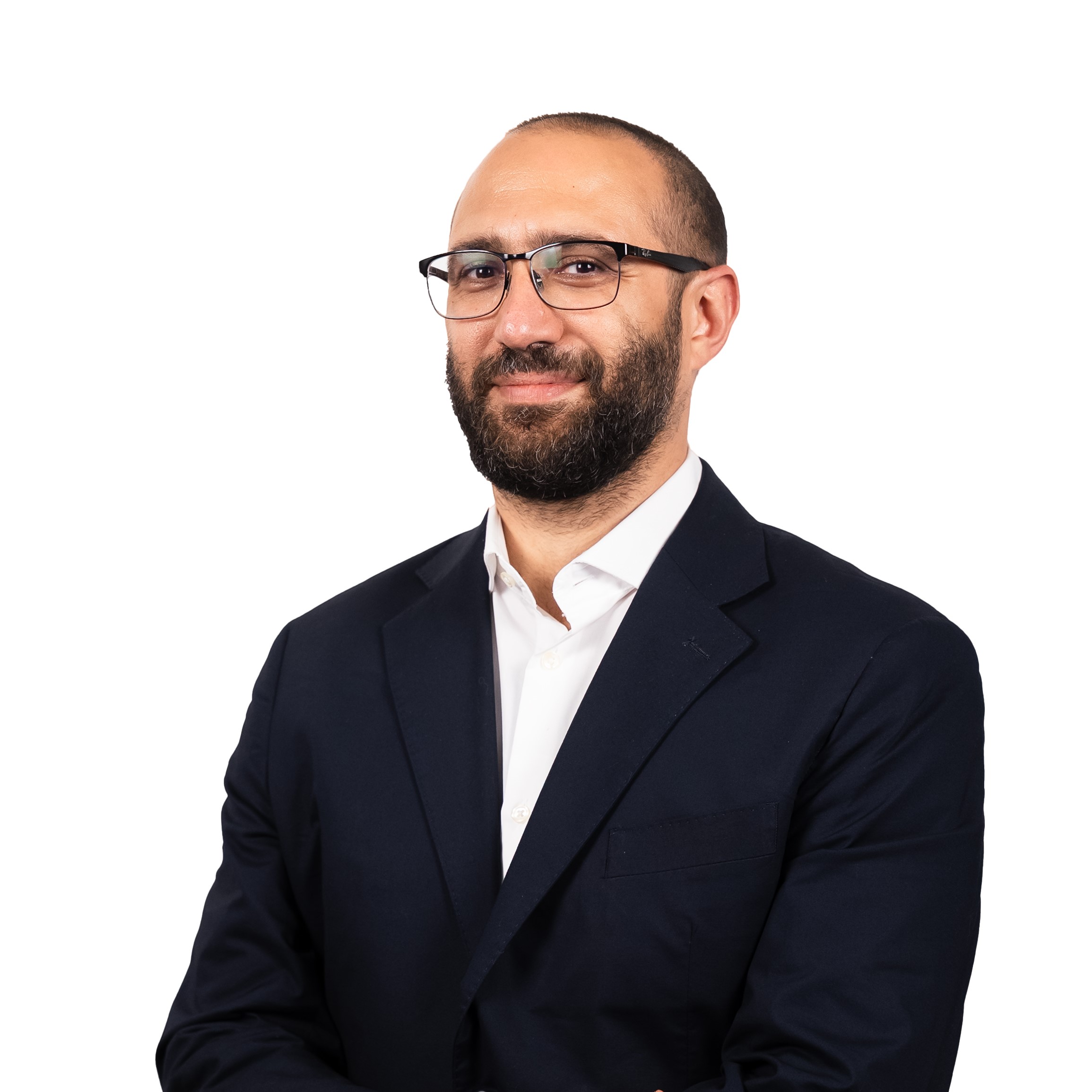
Michele Petrone
Michele Petrone is a scholar in Islamic studies whose research focuses on Sub-Saharan Islamic traditions and the role of Sufism as a social network. His work examines the transmission of religious texts, devotional practices, and the formation of communal identities through Sufi orders, particularly in Ethiopia and the Horn of Africa. He analyzes how Sufi networks function as systems of knowledge circulation, spiritual authority, and social cohesion, often through manuscript culture and oral transmission. His studies also explore the intersection of Sufism with colonial and postcolonial dynamics, emphasizing the embeddedness of Islamic traditions in local contexts.
-
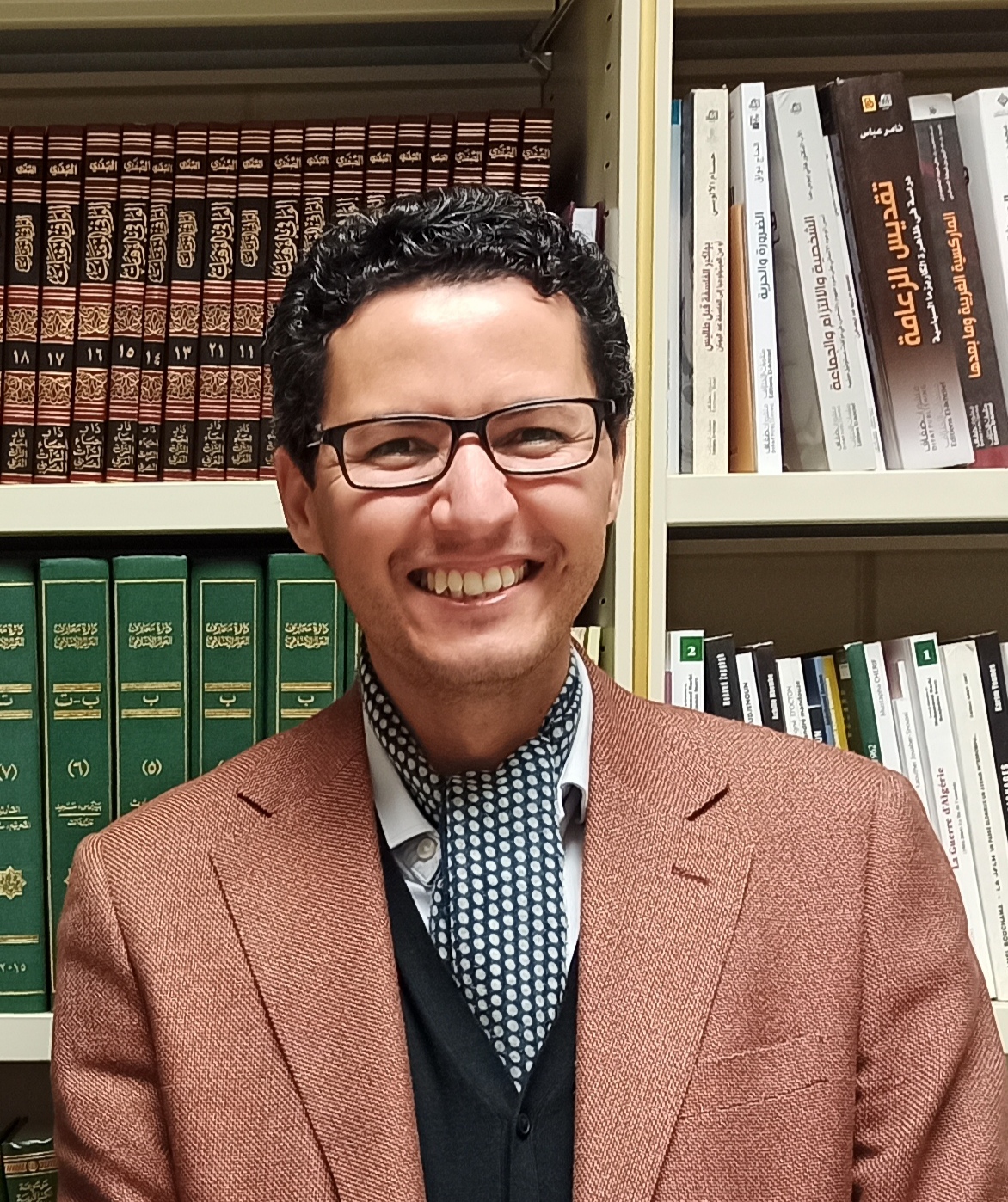
Mohammed Hashas
Mohammed Hashas [“ḥaṣ-ḥāṣ”] (PhD, Habil.) is a Lecturer in the Department of Political Science at Luiss University of Rome; he is currently a Research Fellow affiliate to Leibniz-Zentrum Moderner Orient (ZMO) in Berlin. His research areas are modern intellectual history of the Arab-Islamic world, Islam in Europe, and modern/contemporary Moroccan thought. Hashas has been a visiting research fellow in Copenhagen, Tilburg, Berlin, Oxford, and Winchester in Virginia. Hashas published The Idea of European Islam (2019), Intercultural Geopoetics (2017), and led the edition of Pluralism in Islamic Contexts (2021), Islamic Ethics and the Trusteeship Paradigm (2020), Islam, State and Modernity (2018), Imams in Western Europe (2018), besides various journal articles and book chapters. Hashas is currently finishing the editing of the first Handbook of Contemporary Moroccan Thought, for Brill 2023/4 (c. pp. 700). He contributes opinion essays in Arabic and English on religion, politics, philosophy and society in the Arab world (they are collected at his private website: www.mohammedhashas.com).