
Home > Research Unit > Publications > Pagina 2
Head of Unit
-
msidoretti
-
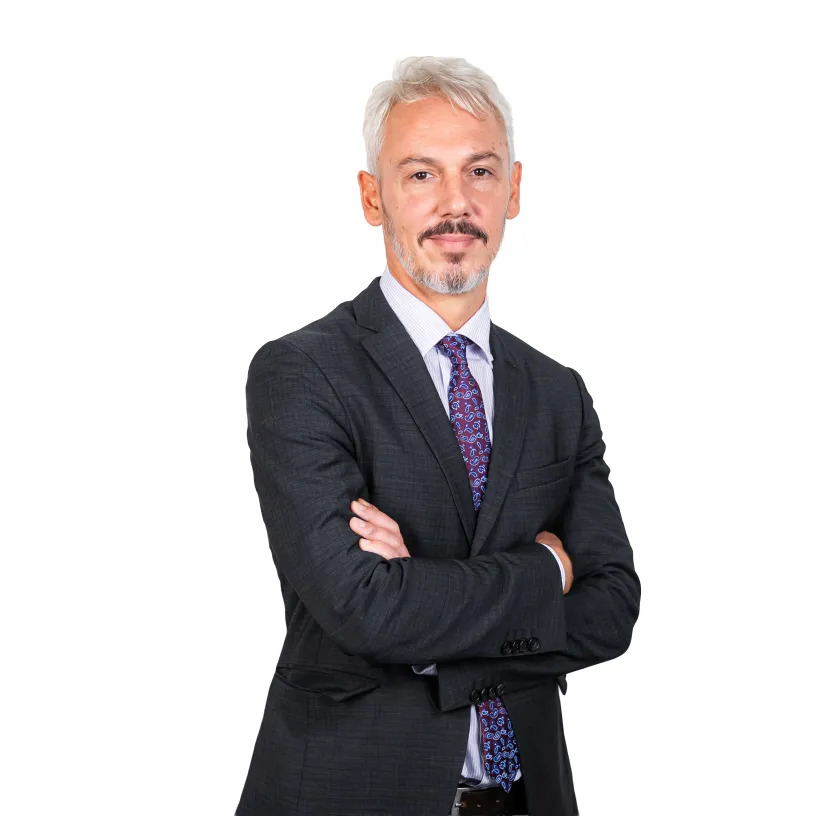
Niccolò Petrelli
Niccolò Petrelli is Assistant Professor (RTT) at the Department of Political Sciences Luiss Guido Carli. Previously he held positions in various academic and military institutions in Italy and abroad: he was post-doctoral fellow at Stanford University’s Center for International Security and Cooperation (CISAC), Eisenhower Defense Fellow at the NATO Defense College, lecturer in International Politics at the University of Leeds, Assistant Professor of Strategic Studies at Roma Tre University, visiting scholar at the International Institute for Counter-Terrorism (ICT) in Herzliya, and military researcher at the Institute for Defense Research and Analysis (IRAD) of the Italian armed forces. He has also conducted research and teaching on behalf of the Italian Ministry of Foreign Affairs, the Joint Defense Staff, and NATO.
Niccolò received his PhD in Political Science at Roma Tre University. His works have been published,
among others, in: The Journal of Strategic Studies, Intelligence & National Security, Diplomacy & Statecraft, the Journal of Intelligence History; Small Wars & Insurgencies, the International History Review. He is the author of two monographs: The Italian Secret Services and US Intelligence. From “Gladio” to the “Strategy of Tension” (Carocci, 2025) [Italian], Israel, Strategic Culture and the Conflict with Hamas: Adaptation and Military Effectiveness, 1987-2014 (Routledge, 2017) and he is currently writing a history of the Italian foreign intelligence service to be published by Georgetown University Press in early 2028.
-
ochirizzi
-
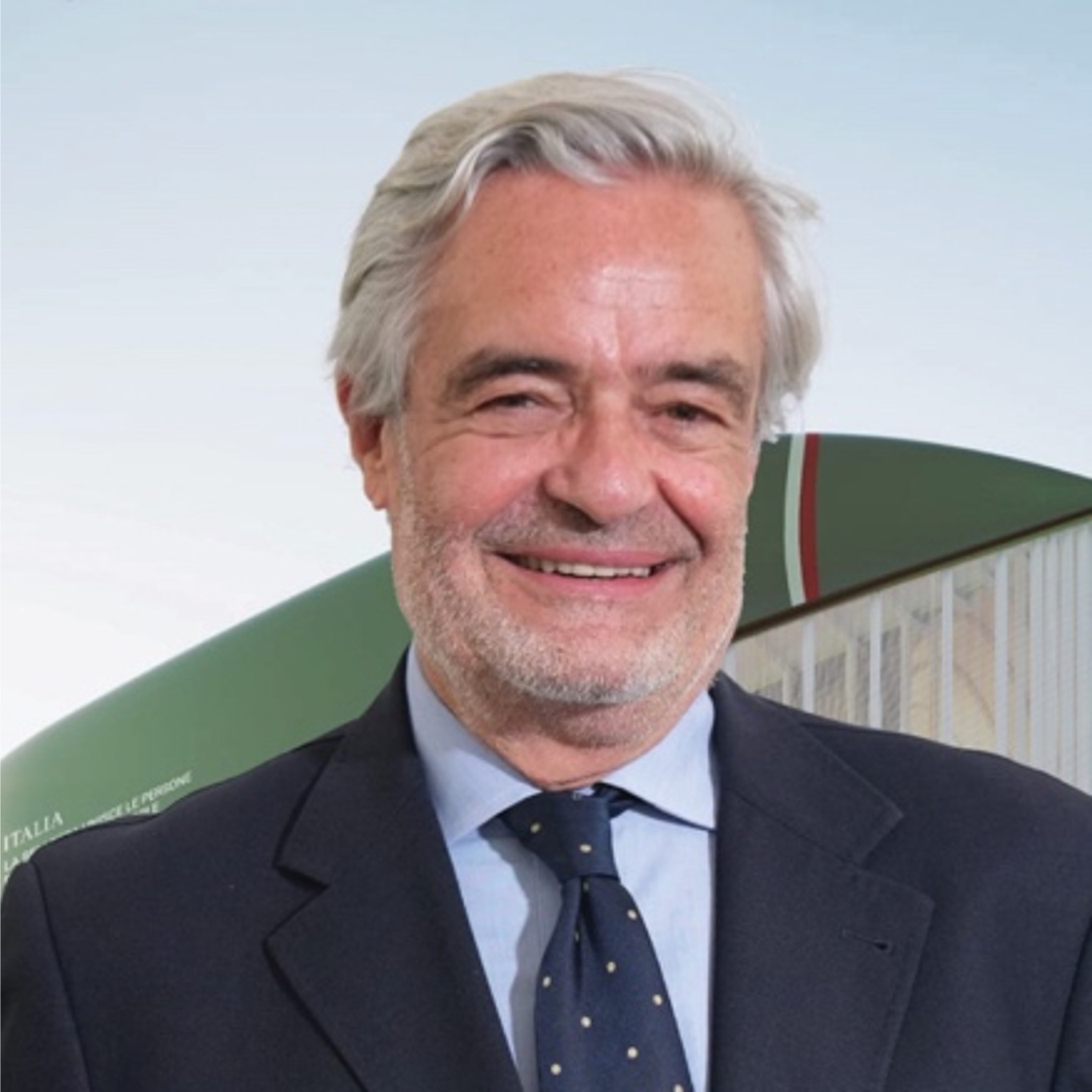
Paolo Glisenti
Paolo Glisenti is a journalist, international strategist, and expert in communication and large-scale event management, known for his leadership as Italy’s Commissioner General for Expo 2020 Dubai and Expo 2025 Osaka–Kansai. With a background in economic and financial journalism in London, New York, and Italy, he held senior executive roles in major multinational companies—including News Corp Europe and Montedison USA—and served on the boards of listed firms across media, telecoms, and pharmaceuticals. Founder of PGConsultants, he has advised governments, institutions, and corporations on communication strategies and international bids, playing a pivotal role in Milan’s successful campaign for Expo 2015, for which he was awarded the Knighthood of Merit of the Italian Republic. His work blends public diplomacy, strategic vision, and deep industry knowledge, making him a key figure in Italy’s global outreach and event diplomacy.
-
pcoadmin
-
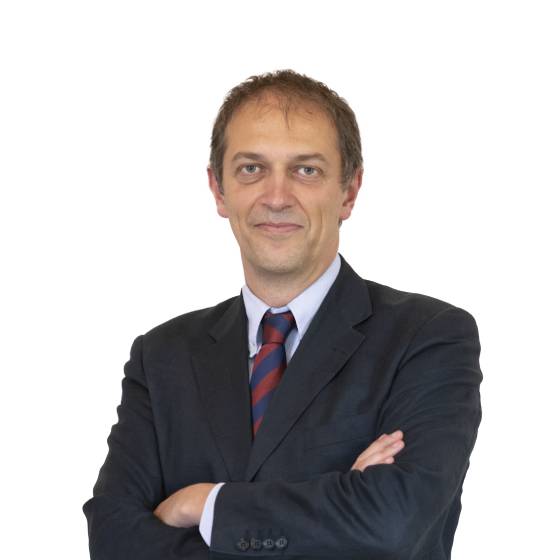
Raffaele Marchetti
Raffaele Marchetti (Laurea, Rome-La Sapienza; PhD, London-LSE) is Deputy Rector for Internationalization and Professor in International Relations at the Department of Political Science and the School of Government of LUISS. His research interest concerns global politics and governance, hybrid and city diplomacy, transnational civil society, (cyber-)security and political risk, and democracy.
He acts as external expert for the European Commission and other public/private institutions on issues of global governance, public policies, civil society, and security. He is ISA’s United Nations-NGO Representative (2022-2024). He is also member of the editorial board of The International Spectator, the Academic Advisory Board of the Finnish Institute of International Affairs (FIIA), LabGov – the LABoratory for the GOVernance of the City as a Commons, International Institute for Social and Economic Studies (IISES). He is the editor of the Routledge series Innovations in International Affairs and the Luiss University Press series Radar.
-
riaia
-
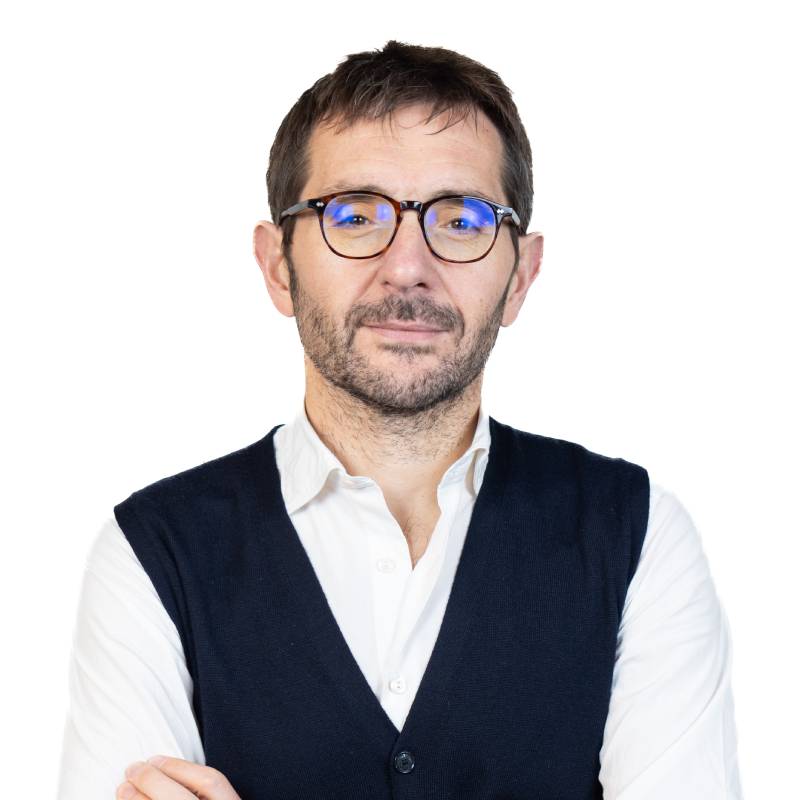
Rosario Forlenza
Rosario Forlenza specializes in the history of modern Europe and Italy in its global implications. He works at the intersection of history, politics and anthropology and focuses particularly on democracy and authoritarianism, political revolutions, nationalism and the politics of memory, politics and religion, symbolic politics, and the Cold War. He has written six books, co-edited two volumes, and published over forty peer-reviewed articles and chapters, most notably in The American Historical Review, Past & Present, and Journal of Contemporary History, He is currently working on a comparative history of revolutions from the perspective of political anthropology, on the totalitarian experiences in interwar Russia, Italy, and Germany, and on the global history of Christian Democracy.
-
sdarrigo
-

Silvia Menegazzi
Silvia Menegazzi is Head of the AsiaLAB Research Unit and Assistant Professor in the Department of Political Science at Luiss Guido Carli University, where she teaches International Relations and Asian Studies. Her research interests span International Relations, Global Governance, and Area Studies, with a particular focus on the politics and economic development of Asian countries, especially China, Japan, and South Korea.
She has held visiting scholar positions at Sciences Po (Paris), George Washington University (Washington, DC), the Department of Politics and International Studies (PAIS) at the University of Warwick, and China Foreign Affairs University (CFAU) in Beijing. Dr. Menegazzi has been the recipient of research grants and scholarships from several European and Asian institutions.
She lived in China for more than four years and is fluent in Mandarin Chinese. Her work has been published in academic journals and media outlets, including International Politics, Global Society, Asia Europe Journal, East Asia Forum, and China Files. Among her most recent publications are China’s Blueprint for Global Leadership: GSI, GDI, GCI and Xi Jinping’s Vision for the International Order (Palgrave Macmillan, 2025, with M. Dian); La Cina e la politica globale (Mondadori, 2023); The NATO–South Korea strategic alignment and contemporary order-building, (International Politics, 2026, with T. Novotna).
Researcher
-
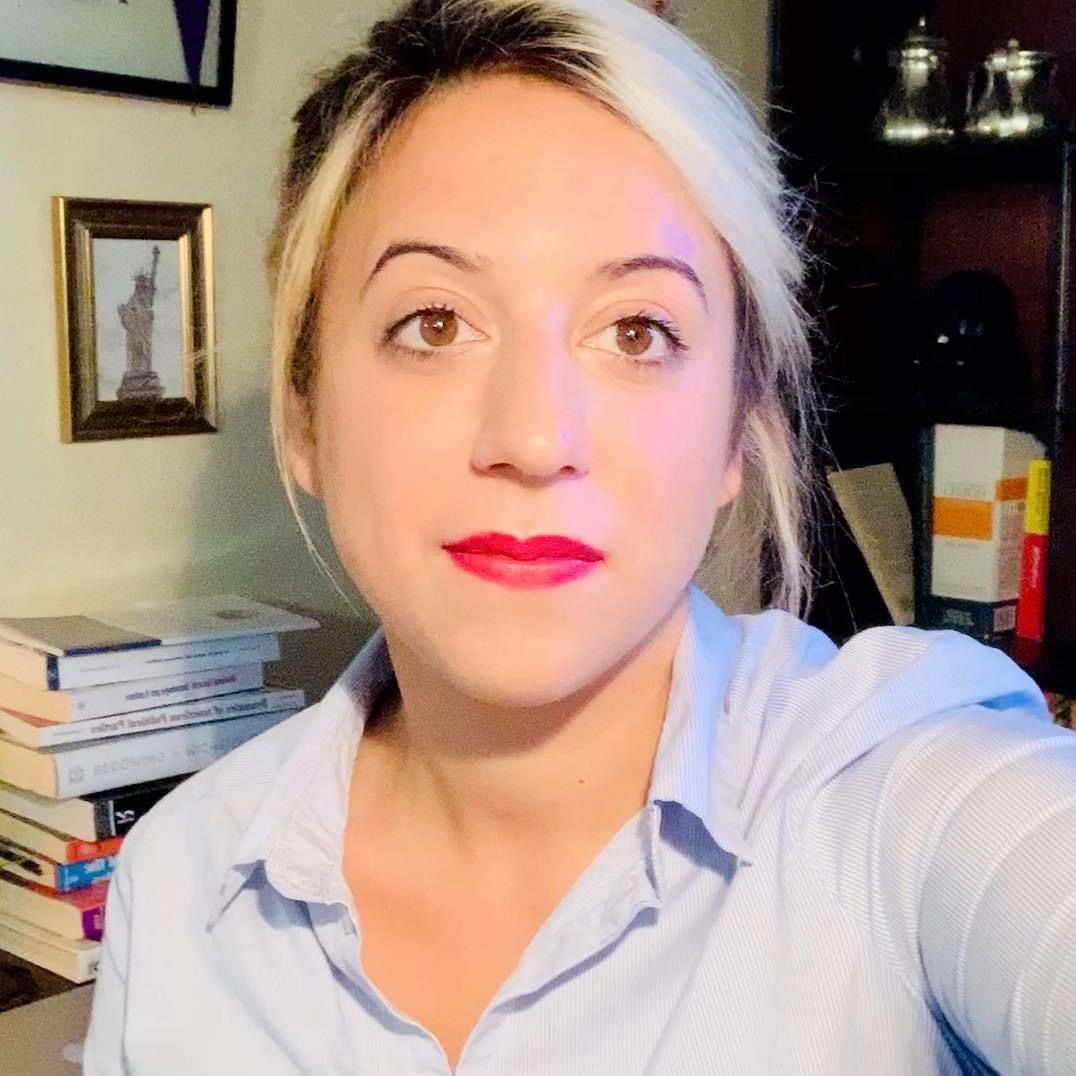
Sofia Eliodori
Sofia Eliodori earned her Ph.D. in International Relations from the University for Foreigners of Perugia in 2022. Currently, she is collaborating with the Law department of LUISS Guido Carli as a Postdoctoral Fellow, engaged in the Horizon project EUARENAS, focusing on the democratic dynamics in cities. Her primary area of interest lies in understanding the intricacies of United States domestic and foreign policy, Atlantic relations, and Italy-US relations. She’s also attentive to populism, diasporas, public communication and public diplomacy.
-
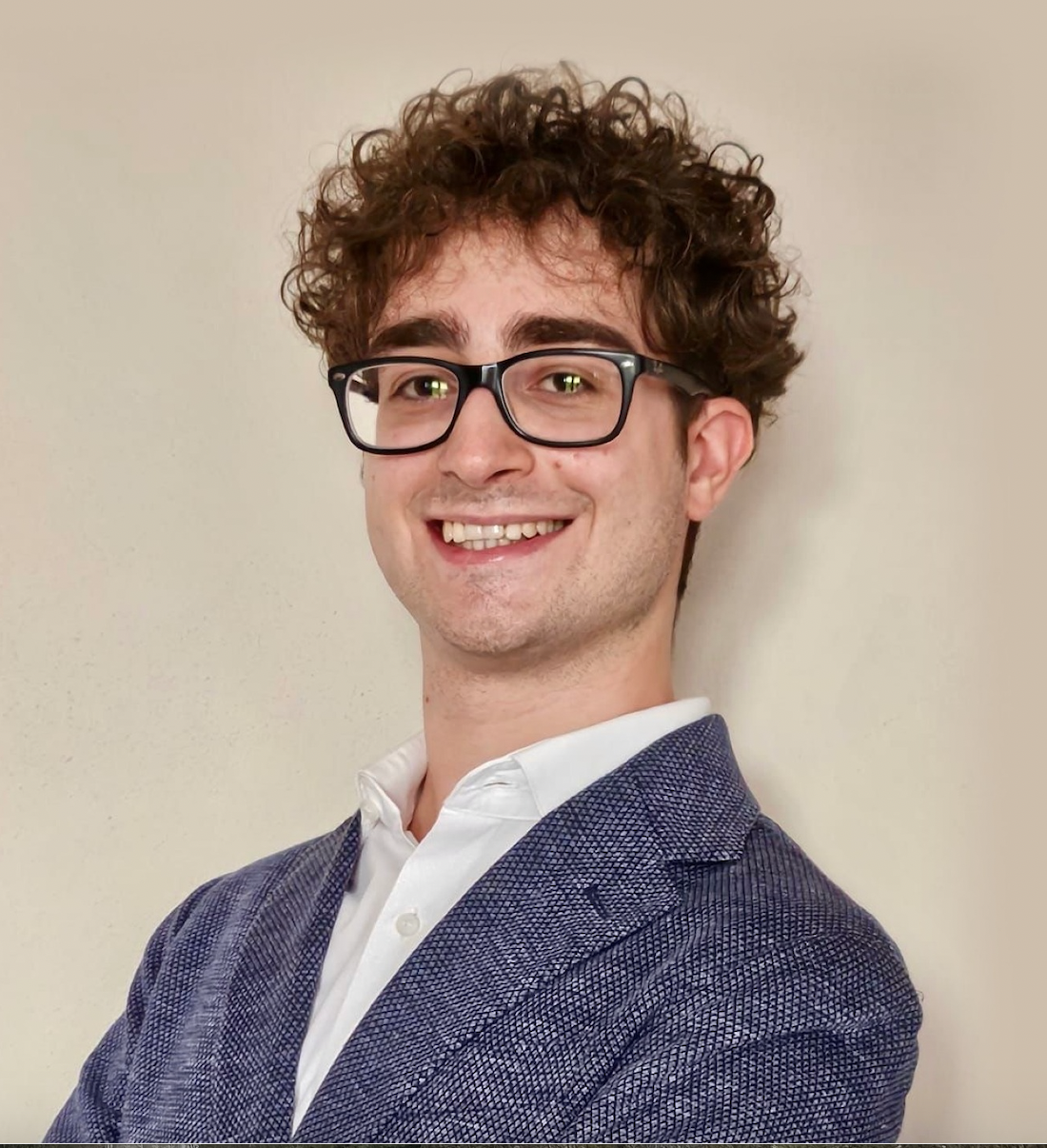
Stefano Ponzone
Stefano Ponzone holds a Double Master’s Degree in International Relations from LUISS Guido Carli University and China Foreign Affairs University in Beijing, where he spent one year studying Chinese foreign policy and international affairs. His research interests include China’s role in multilateral institutions, technological competition, strategic autonomy, and the evolution of China’s international influence. Alongside his academic activities, he has gained professional experience in international and European environments, including the Italian Ministry of Foreign Affairs and International Cooperation, IFAD, EUROCONTROL, and the European Commission, where he worked as a Blue Book Trainee at DG CONNECT on European digital policies and technological innovation. He is fluent in English and French and has knowledge of Mandarin Chinese.
-
Susan Elkholy
-
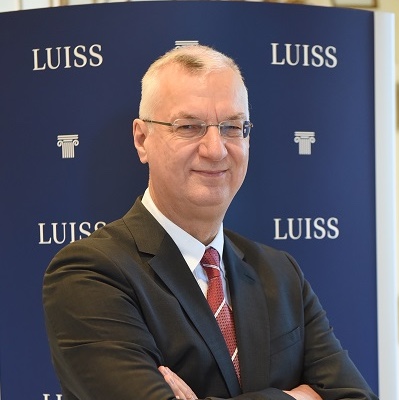
Thomas Christiansen
Thomas Christiansen joined Luiss University as a Professor in the Political Science Department in September 2019. He previously held positions at Maastricht University, at the European Institute of Public Administration, at Aberystwyth University of Wales and at Essex University. He is Executive Editor of the Journal of European Integration and co-editor (with Sophie Vanhoonacker) of the ‘European Administration Governance’ book series at Palgrave Macmillan. He has published widely on different aspects of European Union politics. He recently co-authored, with Emil Kirchner and Uwe Wissenbach, The European Union and China (London: Palgrave, 2019) and co-edited, with Elena Griglio and Nicola Lupo, The Routledge Handbook of Parliamentary Administrations (London: Routledge, 2023).
-
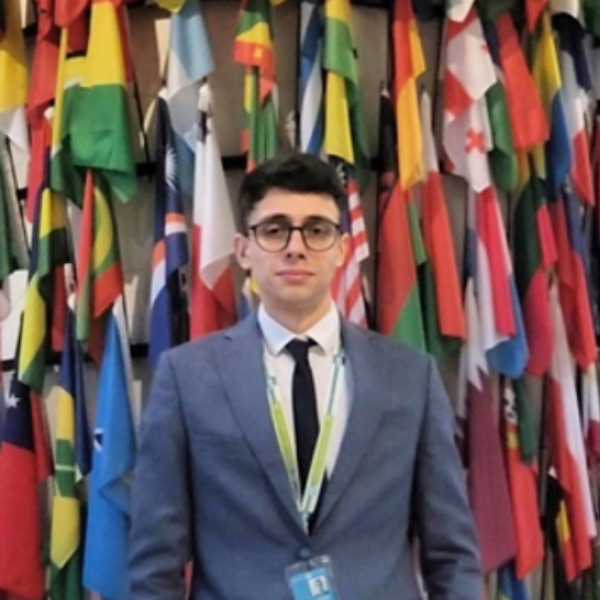
Valentino Trenga
Valentino holds a bachelor’s and master’s degree in International Relations from LUISS University in Rome, graduating with top marks and honors. He completed his master’s degree through a double degree programme with MGIMO University in Moscow, majoring in Global Governance. He works at Revolut as a FinCrime & Sanctions Analyst and has gained professional experience in International Sanctions, Trade Law, EU Law, and Global Governance across governmental institutions, IOs, law firms, and diplomatic missions. He has a strong personal interest in political–diplomatic, and international finance dynamics, with a particular focus on developing countries of the Islamic world, Africa, and the Americas.
-

Veronica Strina
Veronica Strina is an adjunct professor of Chinese language, culture and institutions at the University of Salerno. Her research interests focus on China’s public and cultural diplomacy, with particular attention to the influence of Confucian thought on the PRC’s foreign policy behavior and its visions of the international order. She holds a PhD in Diplomacy and International Cooperation from the University for Foreigners of Perugia, with a dissertation on China’s global role viewed through the lens of its cultural projection and engagements in the Xi Jinping era. She has been a visiting PhD fellow at NATO Defense College, the Defence Studies Department of King’s College London, and the School of Education at Shanghai International Studies University. She has a background in international relations and sinology, with study experiences in China, particularly at Peking University and Fudan University.
-
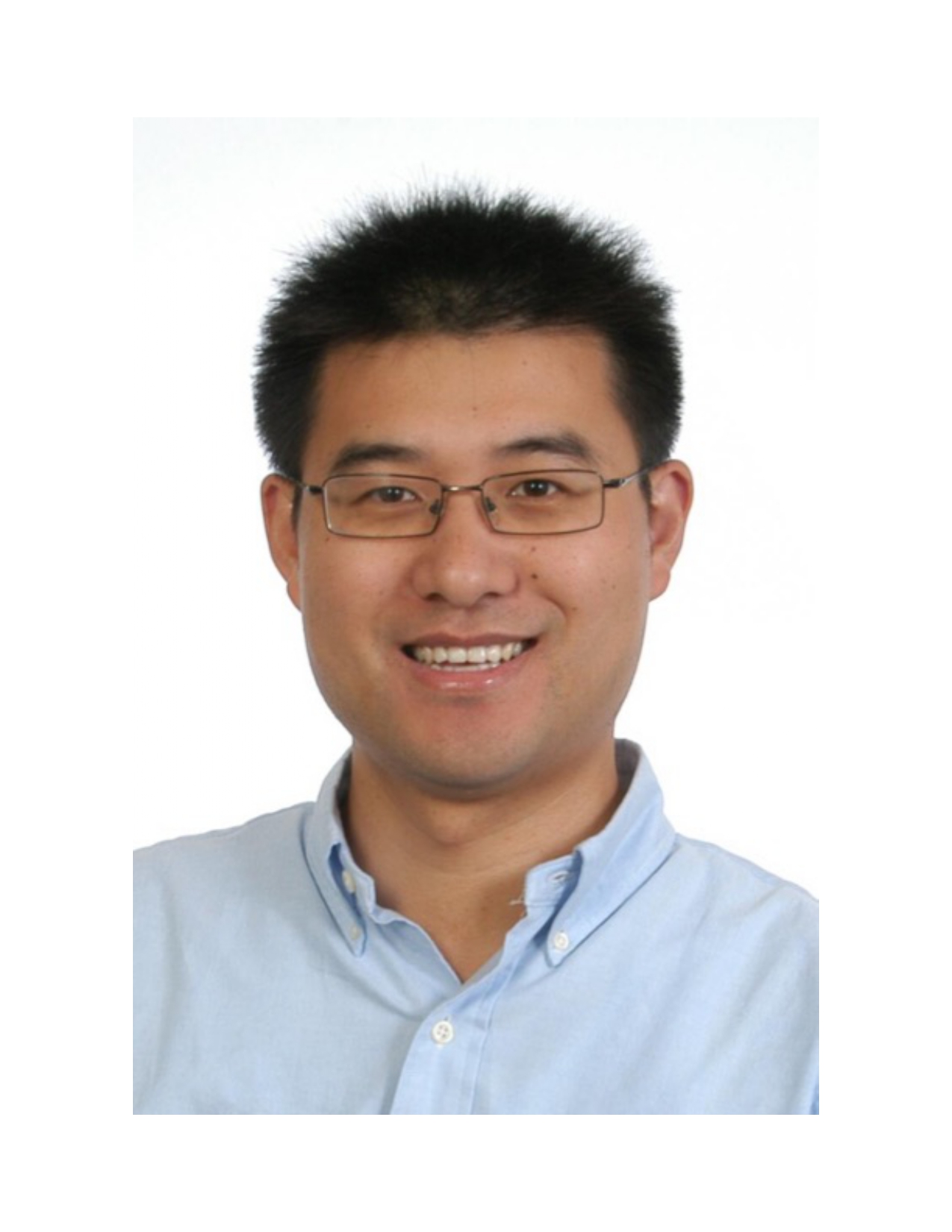
Xiaotong Zhang
Prof. Xiaotong Zhang is Professor of Political Science and International Relations at KIMEP University (Kazakhstan), where he serves as Director of the China and Central Asia Studies Center (CCASC). He is Editor-in-Chief of the journal Economic Diplomacy and serves as Series Editor of the Routledge book series Major Powers and Central Asia.
His research bridges International Relations, International Political Economy, and Political Geography to examine how economic power is reshaping international order in an era of intensifying geopolitical and geoeconomic competition. His work develops an integrated research agenda spanning economic diplomacy, economic statecraft, geoeconomics, economic security, economic warfare, and business diplomacy, with a particular focus on how states, businesses, and regional actors exercise agency and pursue strategic autonomy in a fragmented world.
Drawing on comparative perspectives across China, the European Union, Central Asia, Eurasia, and the world’s Mediterranean seas, his recent research examines middle powers, multi-vector diplomacy, geopolitical risk, regional order, and changing patterns of international alignment. Combining conceptual innovation with comparative empirical research, he develops new analytical frameworks for understanding the changing geography of economic power.
Professor Zhang has authored numerous books and co-edited several scholarly volumes. His publications reflect the evolution of his research from European studies and economic diplomacy to economic statecraft, geoeconomics, and business diplomacy. His books include Linkage Power Europe (2023), New Economic Statecraft (2024), China’s Modern Economic Statecraft (2025), and Business Diplomacy (2026). Earlier, he co-edited Deepening the EU–China Partnership (with Mario Telò and Ding Chun, 2018).
He received his PhD in Political Science from the Université libre de Bruxelles (ULB), Belgium.
-
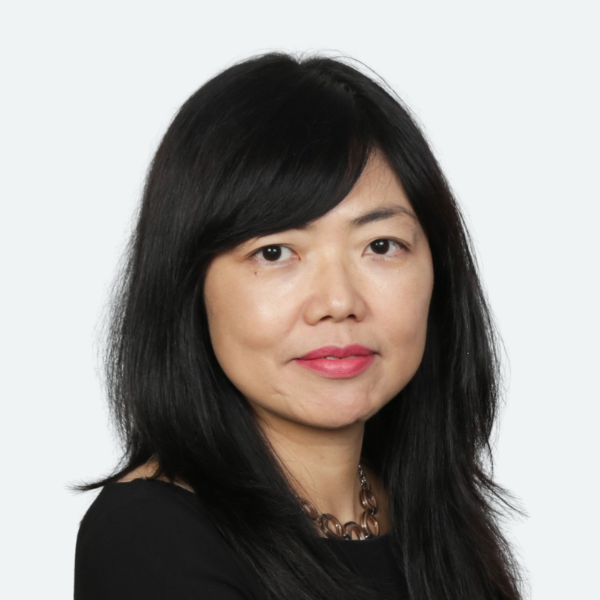
Youngah Guahk
Youngah Guahk joined the Department of Business and Management (DIM) at Luiss University as a Lecturer in September 2020. She has a study background, with Masters degrees from Stenden University in the Netherlands and Birkbeck College, University of London, in UK. She received her PhD in Political Science from the Faculty of Social Sciences at the University of Duisburg-Essen, Germany. In her doctoral research, Dr Guahk has focused on urban governance and sustainable development in East Asia, with particular focus on the politics and policymaking regarding smart city projects in South Korea. Dr Guahk has been involved in various research projects and has published on different aspects of Korean current affairs, including chapters on the administration of the Korean National Assembly and the role of culture in Korea’s public diplomacy.
-
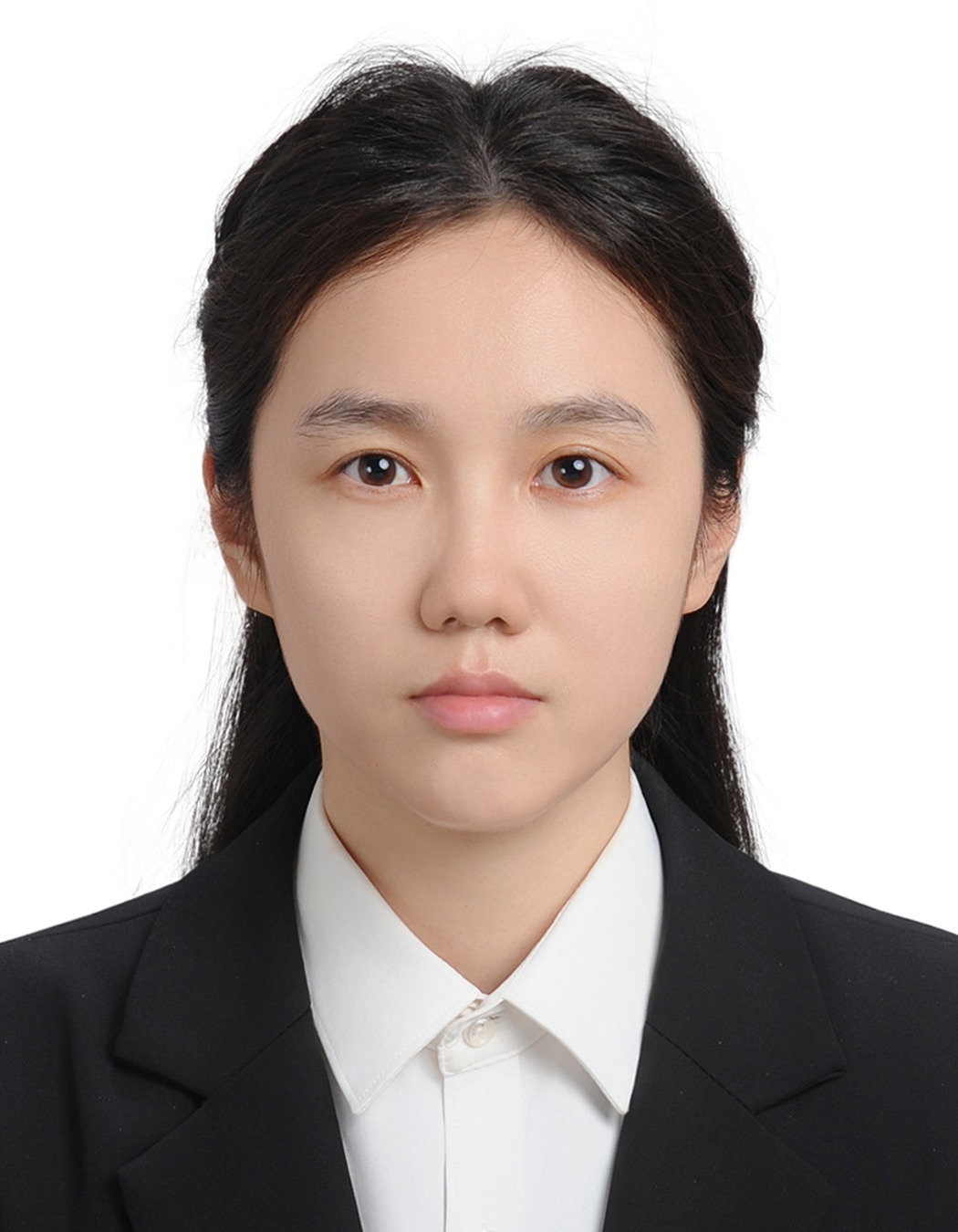
Yuchen Xia
Yuchen Xia earned her Bachelor’s degree in International Politics from Liaoning University in China and then completed the double Master’s in Diplomacy jointly awarded by China Foreign Affairs University (CFAU) and LUISS Guido Carli. She just started a Master’s in International Economics at the Graduate Institute (IHEID) in Geneva. Her work focuses on the evolving international positioning of Latin America, with a particular interest in triangular cooperation, South–South development frameworks, and interregional dynamics between Latin America, Africa, and Europe. She is especially engaged in exploring the intersections of global development, finance, and institutional partnerships.