
Home > Research Unit > Publications
Head of Unit
-
gturco
-
gurciuoli
-
lraiti
-
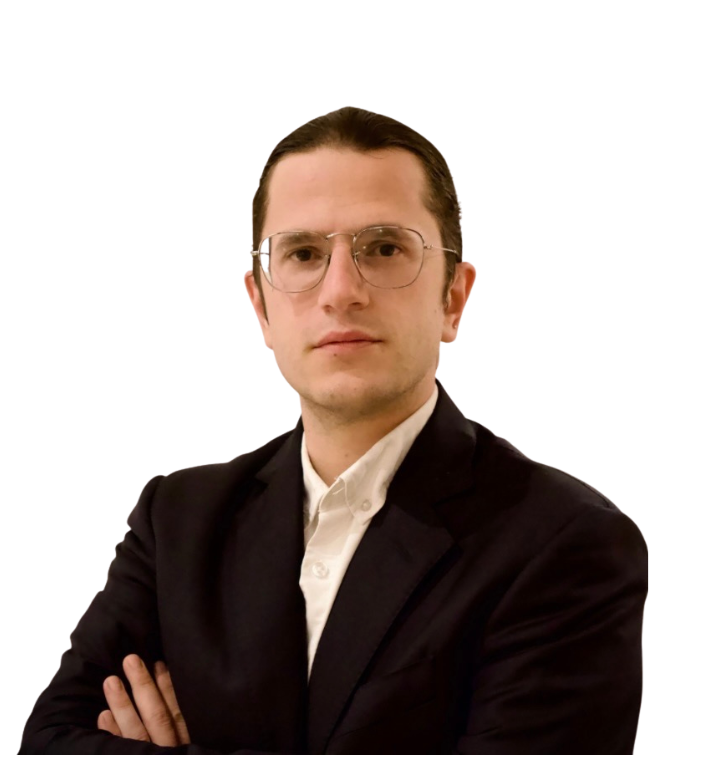
Manfredi Valeriani
Manfredi Valeriani earned his PhD at Hamburg University and Luiss University with a thesis on “Funding Instruments to Italian NGOs” is a Post-Doctoral Researcher at Luiss where he also teaches Political Risk Analysis and International Politics and Businesses. He has been Adjunct Professor at the University “L’Orientale” in Naples and at the American University of Rome. His research currently focuses on Structured Analytic Techniques, Scenario Analysis, and Italian Foreign Policy.
-
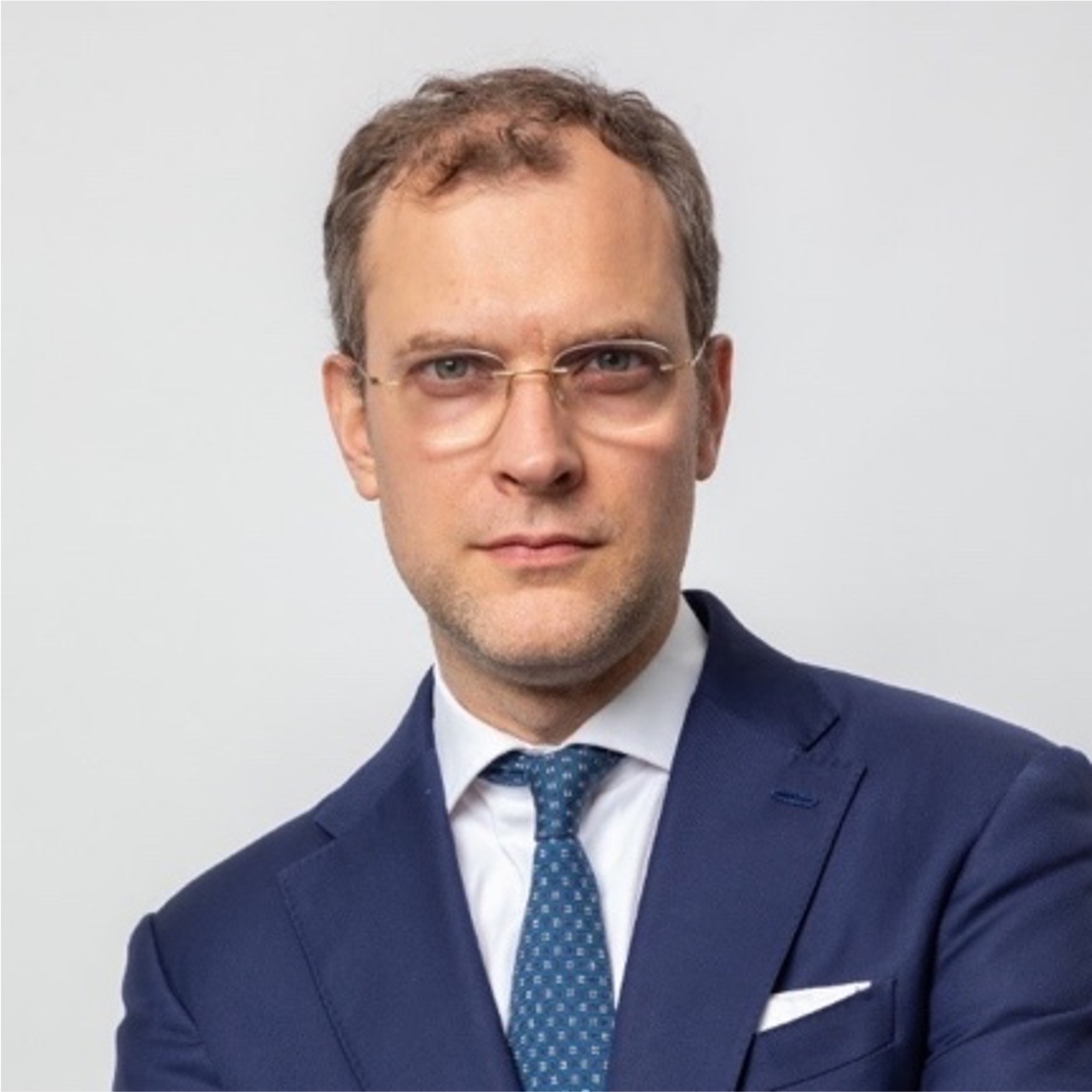
Marc Reverdin
Marc Reverdin is an international expert in public affairs and strategic diplomacy. He is the founder and CEO of Reverdin Consulting, a high-level advisory firm that helps companies and institutions navigate major geopolitical, economic, and environmental challenges. A former French diplomat, he served in Paris, Rome, and the services of the French Prime Minister before co-founding the Paris Peace Forum, an initiative of the French President launched in 2018. He now leads or advises several international initiatives, particularly in the agrifood, African, and Mediterranean sectors. Marc is also a frequent speaker, high-level moderator, and lecturer in international affairs.
-
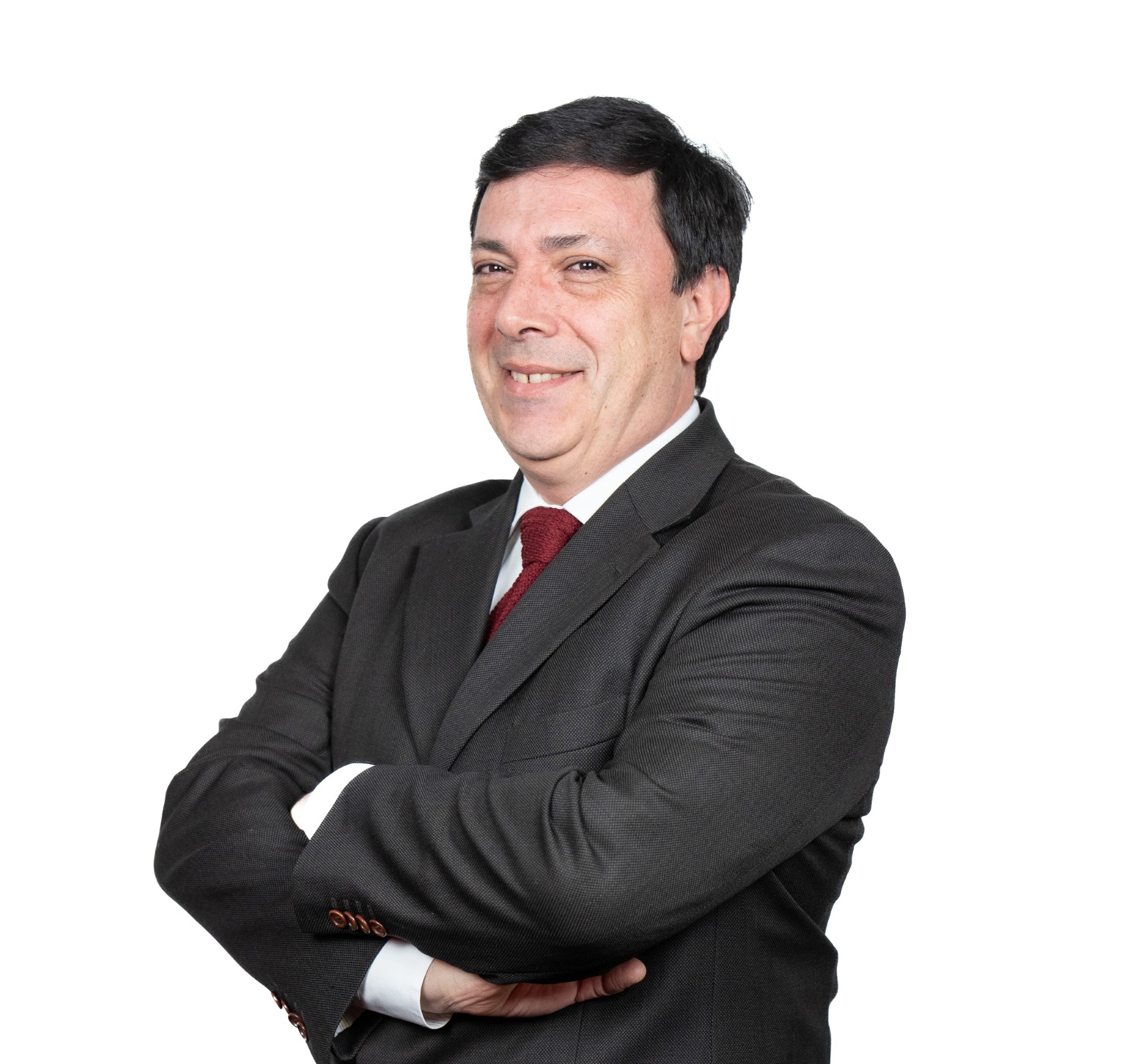
Marco Massoni
Marco Massoni (PhD, Rome 1972) is an independent political analyst and international relations expert, specialist in Africa, Latin America, and Extra-Western philosophies. Since 2022, he has been teaching African Studies at LUISS University of Rome. As of 2025, he directs the Africa and Latin America Research Unit at LUISS’s Centre for International and Strategic Studies (CISS). Previously, he served as Diplomatic Senior Advisor for the Italian G8 Presidency and worked with the EU, OSCE, UN (FAO, UNHCR), NGOs, and think tanks. From 2011 to 2017, he was Director of African Research at IRAD at the Italian Centre for Defence Higher Studies (CASD), where he still lectures. He was Editorial Director of the quarterly Politica Africana. He has taught Development Studies at The American University of Rome (AUR) and International Law and Peace Processes at Roma Tre University. He is a consultant of the European Union External Action Service (EEAS) and the OSCE Office for Democratic Institutions and Human Rights (ODIHR), extensive experience in the field of democratisation processes, electoral observation & electoral assistance, diplomacy & negotiation, cyber-diplomacy, human rights & humanitarian law, mediation, peacebuilding & conflict resolution, post-war reconstruction and strategic studies.
-
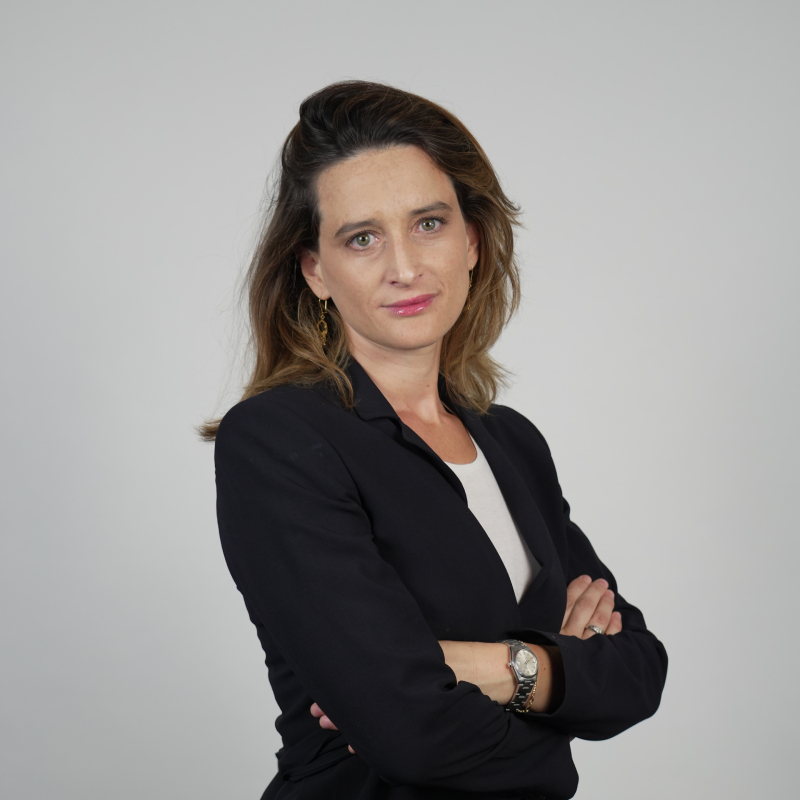
Maria Giulia Amadio Viceré
Maria Giulia Amadio Vicerè is Assistant Professor (Tenure Track) in Political Science at the Department of Political Science of Luiss University and a Visiting Fellow at the Robert Schuman Centre for Advanced Studies (EUI). Before that, she has been a Marie Marie Skłodowska-Curie Fellow at Robert Schuman Centre for Advanced Studies (EUI), an Adjunct Professor and post-doctoral fellow at Luiss University, and an Assistant Professor at Leiden University. She held various visiting positions in international renowned institutions, among which the German Institute for International Affairs, the Centre for European Studies at Harvard University, the Henry M. Jackson School of International Studies at the University of Washington, and the Policy Institute at King’s College. Over time, she has also been the recipient of merit-based scholarships and grants from the European Commission; the Zegna Group; the Lazio Region; and the The Australian Centre for Applied Philosophy and Public Ethic. Beyond academia, she has been a Research Associate at the Istituto Affari Internazionali, a Research Fellow at the Policy Planning Unit of the Italian Ministry of Foreign Affairs and International Cooperation, a Blue Book Trainee at the Service for Foreign Policy Instrument of the European Commission and a research intern at the European Policy Centre. Moreover, she has briefed and provided training to public and private institutions, among which the Institute for Advanced Studies of the Italian Ministry of Defence, Oxford Analytica, the European Institute for the Mediterranean, the Swedish Institute for European Studies, the Foundation for European Progressive Studies, Villa Vigoni, and il Sole 24 Ore Business School.
-
Marlène Agnès Laruelle
Marlene Laruelle is a Full Professor of Political Science at Luiss Guido Carli University and previously served as Research Professor at The George Washington University’s Institute for European, Russian, and Eurasian Studies (IERES) from 2011 to 2025, where she held leadership roles as Associate Director and Director. She earned her Ph.D. in History from INALCO in Paris and a habilitation in Political Science from Sciences Po Paris. Laruelle leads the Illiberalism Studies Program, a transatlantic platform dedicated to research on illiberalism and postliberalism, and is a non-residential Senior Fellow at the Stimson Center. Throughout her career, she has held fellowships and visiting appointments at notable institutions such as the Institut für die Wissenschaften vom Menschen in Vienna, IFRI, the Carnegie Council, the Woodrow Wilson Center, and SAIS–Johns Hopkins University. She has authored or edited over twenty books with top academic presses, including recent monographs like Ideology and Meaning-Making under Putin Regime (2025) and Russia’s Arctic: A Changing Geopolitical and Environmental Context (2026), alongside numerous articles in leading scholarly and policy publications.
Trained as a historian of ideas, Laruelle’s early work focused on post-Soviet Central Asia and Russia, examining nation-building processes, regional geopolitics, labor migration, and the intellectual underpinnings of Putin’s regime. Her research later expanded to the Russian Arctic, exploring how environmental change, infrastructure development, and territorial imaginaries influence political worldviews. More recently, she has turned to conceptual history and global comparative studies, analyzing the challenges facing liberalism and the emerging normative alternatives to the liberal international order. Her scholarship bridges academic rigor with policy relevance, offering insights into the evolving political and intellectual dynamics of Russia and the broader international system.
-
mduffizi
-
msidoretti
Researcher
-
Rebecca Maria Perla Iotti
Rebecca Maria Perla Iotti is a PhD candidate at LUISS Guido Carli University. Her research interests intersect across International Relations, Geopolitics, and Political Economy, with a focus on Chinese Economic Statecraft. She previously earned a Master’s degree in Politics and Economics from the University of Bologna and studied at the University of Bologna and Sciences Po Paris. She is currently a Teaching Assistant at LUISS University.
-

Renata Pipicelli
Renata Pepicelli is Associate Professor of History of Islamic countries at the department of Civilizations and forms of knowledge at University of Pisa, where she teaches History of contemporary Arab world and Islamic Studies. In 2017 she was visiting scholar at the University of Bristol, in 2018 at the University Cadi Ayyad of Marrakesh, in 2020 at the University of Kairouan, in May 2022 at University of Granada. Her scholarly activity focuses on gender studies in Islamic contexts, particularly in North Africa and Europe, social movements and Islamism in the MENA region. Recently she has also started to investigate the subject of enviromental crises and social movements in the Arab world. Her 2010 book titled Femminismo islamico: Corano, diritti, riforme is considered a milestone in the field of studies on gender in Islamic context with 10 reprints. Her book Il velo nell’Islam: Storia, politica, estetica (Carocci 2012) was translated in Finnish by the publishing house Vastapaino in 2014.
-
Satoko Kawamura
Satoko Kawamura is Professor and Associate Dean at the College and the Graduate School of International Relations of Ritsumeikan University, Kyoto Japan. Deputy Director at the Institute of Humanities, Human and Social Sciences of the Kinugasa Research Organization of Ritsumeikan. Specialized fields: International Relations (Governance of Advanced Technology, Thought of International Relations), International Administration, the Law of International Relations, and the Sociology of International Relations. Currently work: A research about the system of transnational governance and its norms, which are established by not only states or international organizations but also non-state actors that regulate themselves voluntarily. On Global Order: The Resonance of Transborder Thought, Institutions, and Norms published in Japanese is under translation into English.
-
Sofia Eliodori
Sofia Eliodori earned her Ph.D. in International Relations from the University for Foreigners of Perugia in 2022. Currently, she is collaborating with the Law department of LUISS Guido Carli as a Postdoctoral Fellow, engaged in the Horizon project EUARENAS, focusing on the democratic dynamics in cities. Her primary area of interest lies in understanding the intricacies of United States domestic and foreign policy, Atlantic relations, and Italy-US relations. She’s also attentive to populism, diasporas, public communication and public diplomacy.
-
Stefano Ponzone
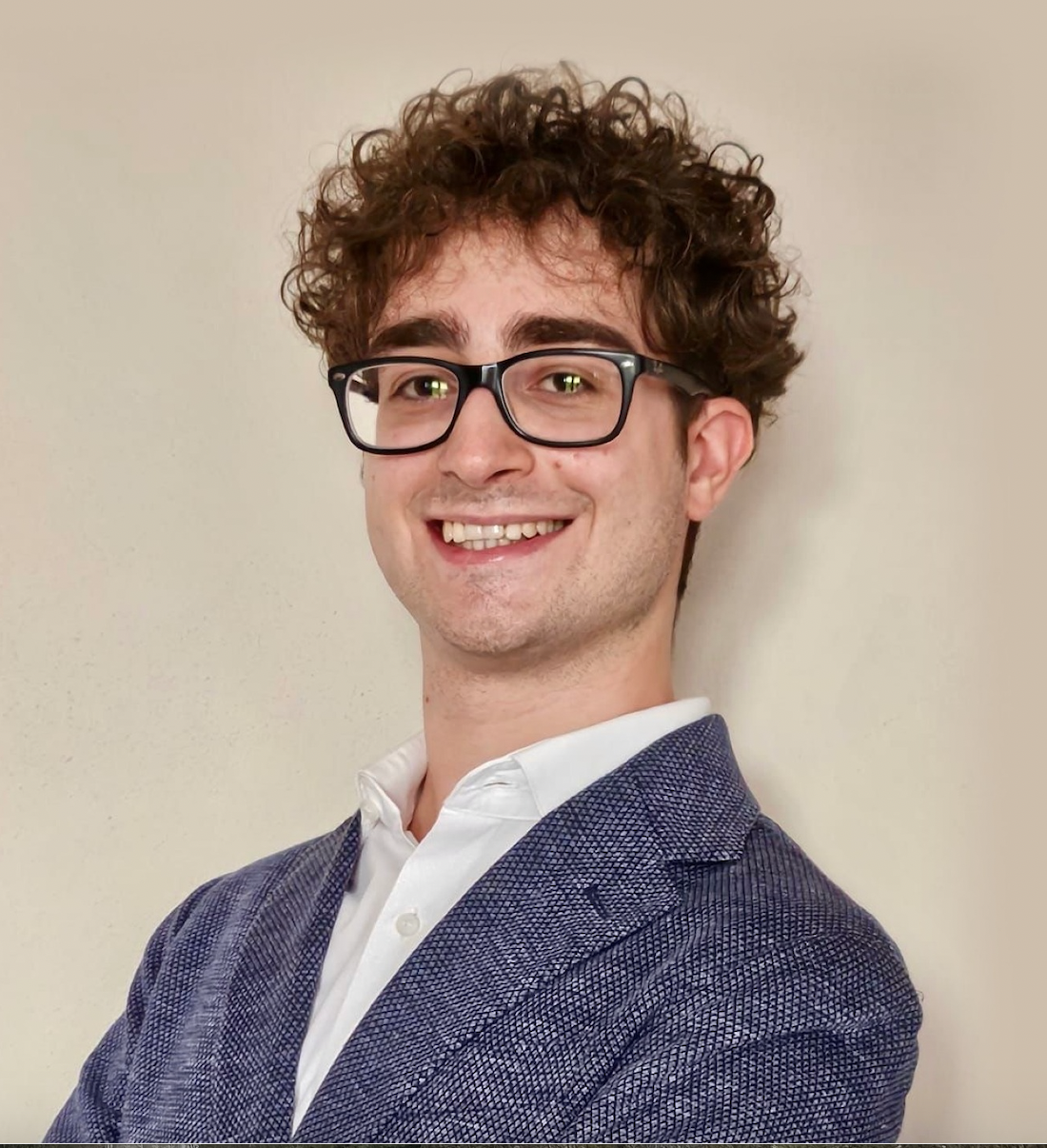
Stefano Ponzone holds a Double Master’s Degree in International Relations from LUISS Guido Carli University and China Foreign Affairs University in Beijing, where he spent one year studying Chinese foreign policy and international affairs. His research interests include China’s role in multilateral institutions, technological competition, strategic autonomy, and the evolution of China’s international influence. Alongside his academic activities, he has gained professional experience in international and European environments, including the Italian Ministry of Foreign Affairs and International Cooperation, IFAD, EUROCONTROL, and the European Commission, where he worked as a Blue Book Trainee at DG CONNECT on European digital policies and technological innovation. He is fluent in English and French and has knowledge of Mandarin Chinese.
-
Susan Elkholy
-
Thomas Christiansen
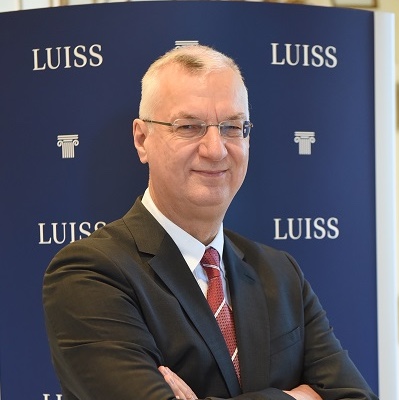
Thomas Christiansen joined Luiss University as a Professor in the Political Science Department in September 2019. He previously held positions at Maastricht University, at the European Institute of Public Administration, at Aberystwyth University of Wales and at Essex University. He is Executive Editor of the Journal of European Integration and co-editor (with Sophie Vanhoonacker) of the ‘European Administration Governance’ book series at Palgrave Macmillan. He has published widely on different aspects of European Union politics. He recently co-authored, with Emil Kirchner and Uwe Wissenbach, The European Union and China (London: Palgrave, 2019) and co-edited, with Elena Griglio and Nicola Lupo, The Routledge Handbook of Parliamentary Administrations (London: Routledge, 2023).
-
Valentino Trenga
Valentino holds a bachelor’s and master’s degree in International Relations from LUISS University in Rome, graduating with top marks and honors. He completed his master’s degree through a double degree programme with MGIMO University in Moscow, majoring in Global Governance. He works at Revolut as a FinCrime & Sanctions Analyst and has gained professional experience in International Sanctions, Trade Law, EU Law, and Global Governance across governmental institutions, IOs, law firms, and diplomatic missions. He has a strong personal interest in political–diplomatic, and international finance dynamics, with a particular focus on developing countries of the Islamic world, Africa, and the Americas.
-

Veronica Strina
Veronica Strina is an adjunct professor of Chinese language, culture and institutions at the University of Salerno. Her research interests focus on China’s public and cultural diplomacy, with particular attention to the influence of Confucian thought on the PRC’s foreign policy behavior and its visions of the international order. She holds a PhD in Diplomacy and International Cooperation from the University for Foreigners of Perugia, with a dissertation on China’s global role viewed through the lens of its cultural projection and engagements in the Xi Jinping era. She has been a visiting PhD fellow at NATO Defense College, the Defence Studies Department of King’s College London, and the School of Education at Shanghai International Studies University. She has a background in international relations and sinology, with study experiences in China, particularly at Peking University and Fudan University.
-
Xiaotong Zhang
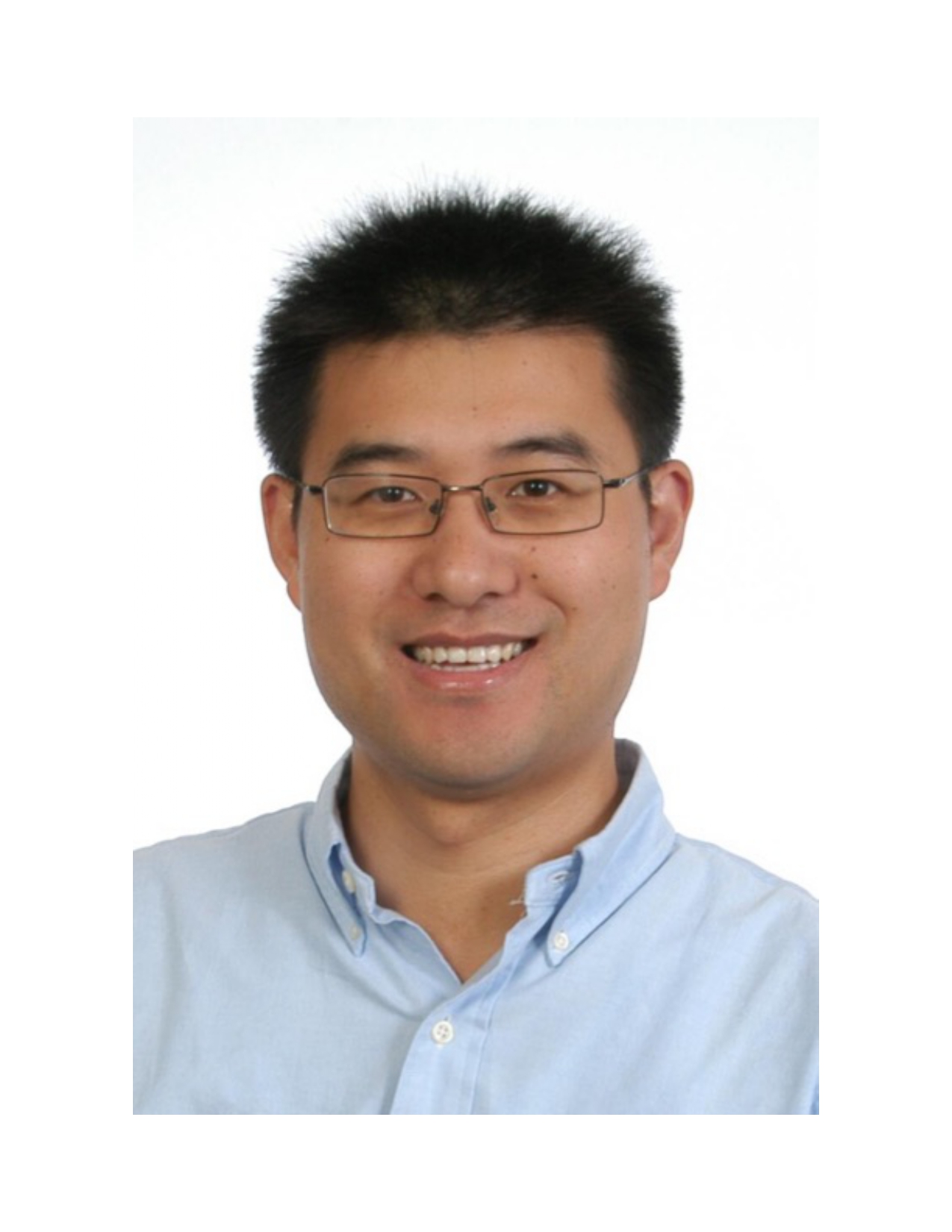
Prof. Xiaotong Zhang is Professor of Political Science and International Relations at KIMEP University (Kazakhstan), where he serves as Director of the China and Central Asia Studies Center (CCASC). He is Editor-in-Chief of the journal Economic Diplomacy and serves as Series Editor of the Routledge book series Major Powers and Central Asia.
His research bridges International Relations, International Political Economy, and Political Geography to examine how economic power is reshaping international order in an era of intensifying geopolitical and geoeconomic competition. His work develops an integrated research agenda spanning economic diplomacy, economic statecraft, geoeconomics, economic security, economic warfare, and business diplomacy, with a particular focus on how states, businesses, and regional actors exercise agency and pursue strategic autonomy in a fragmented world.
Drawing on comparative perspectives across China, the European Union, Central Asia, Eurasia, and the world’s Mediterranean seas, his recent research examines middle powers, multi-vector diplomacy, geopolitical risk, regional order, and changing patterns of international alignment. Combining conceptual innovation with comparative empirical research, he develops new analytical frameworks for understanding the changing geography of economic power.
Professor Zhang has authored numerous books and co-edited several scholarly volumes. His publications reflect the evolution of his research from European studies and economic diplomacy to economic statecraft, geoeconomics, and business diplomacy. His books include Linkage Power Europe (2023), New Economic Statecraft (2024), China’s Modern Economic Statecraft (2025), and Business Diplomacy (2026). Earlier, he co-edited Deepening the EU–China Partnership (with Mario Telò and Ding Chun, 2018).
He received his PhD in Political Science from the Université libre de Bruxelles (ULB), Belgium.