
Home > Research Unit > Publications
Head of Unit
-
agullotta
-
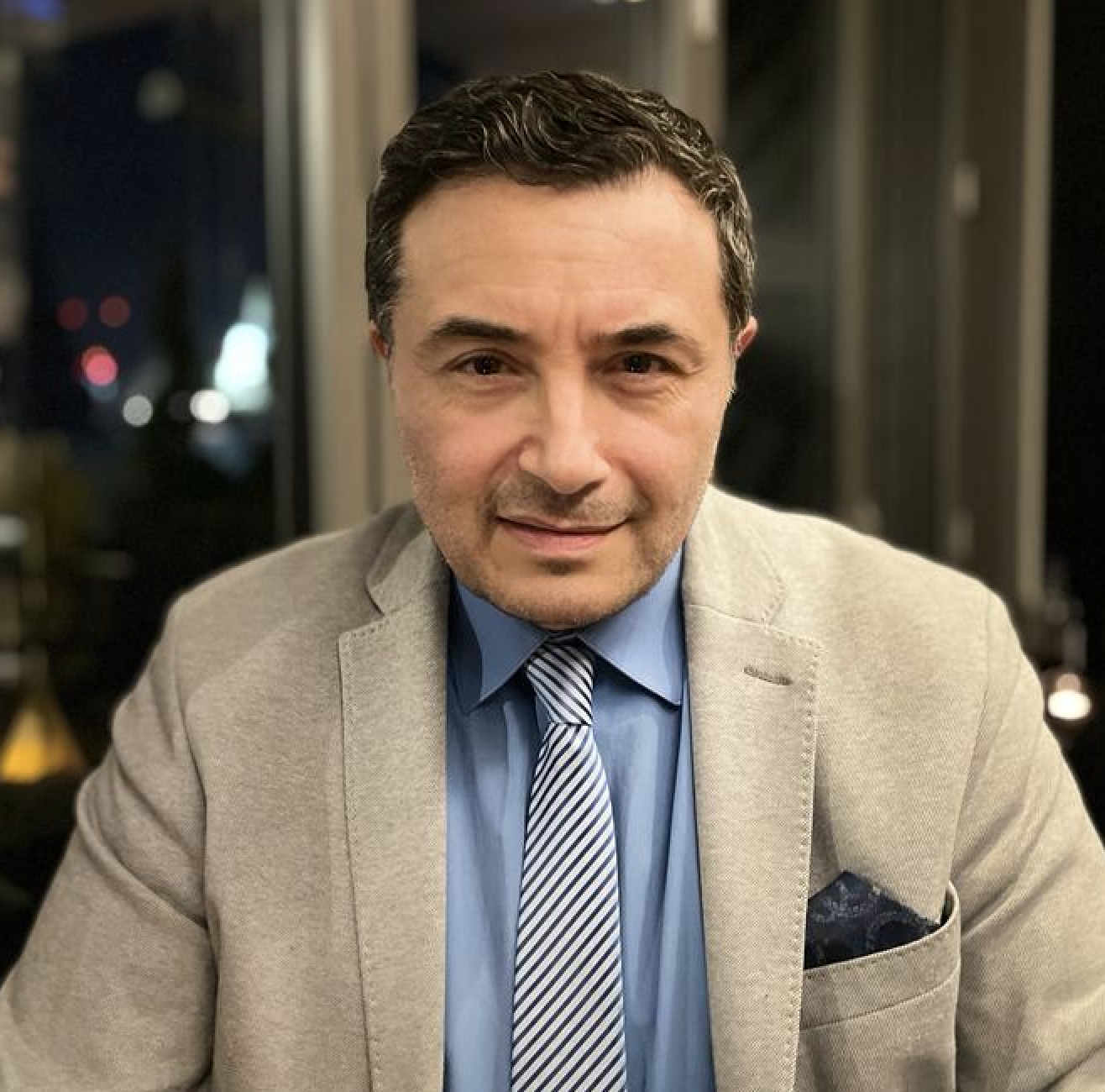
Alfonso Giordano
Alfonso Giordano is an associate professor of Economic and Political Geography at Niccolò Cusano University of Rome and an adjunct professor at LUISS University, where he teaches “Exogeography, Astropolitics, and Space Economy”. His research focuses on population geography, political demography, and human-environment interactions, with a particular emphasis on border studies. Recently, he has investigated the geographical, political and economic dimensions of space exploration, analysing its implications for governance, resource allocation, and territoriality beyond Earth.
-
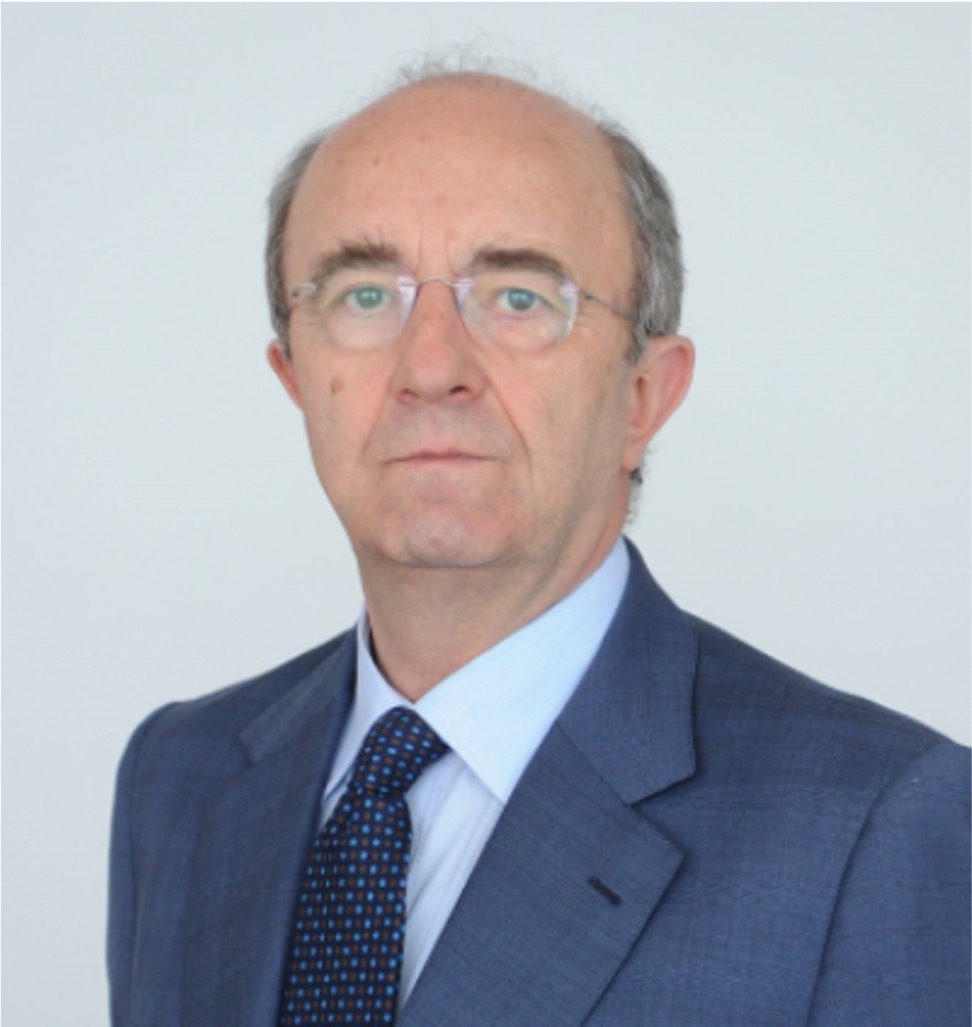
Angelo Mario Taraborrelli
Angelo “Mario” Taraborrelli has held strategic senior roles for over three decades in the national and international energy sector, significantly contributing to the definition of industrial and corporate policies in the oil & gas field and, more recently, in the electricity sector. With a strong background in international law and oil economics, he began his career at Eni in 1973, progressively taking on top positions, including that of CEO of the Refining & Marketing division, where he led a thorough strategic restructuring program and important international M&A operations. As Senior Vice President of Strategic Control, he directly influenced capital allocation decisions and key investments for the entire Eni group. Subsequently, he expanded his influence in the energy sector by joining the Board of Directors of Enel SpA, where for years he chaired the Internal Control and Risk Committee, contributing to the evolution of corporate governance in the context of the energy transition. Since 2015, he has been an Adjucnt Professor of Energy and Climate Policies at Luiss University, combining managerial expertise and academic vision in the global political-energy field.
-
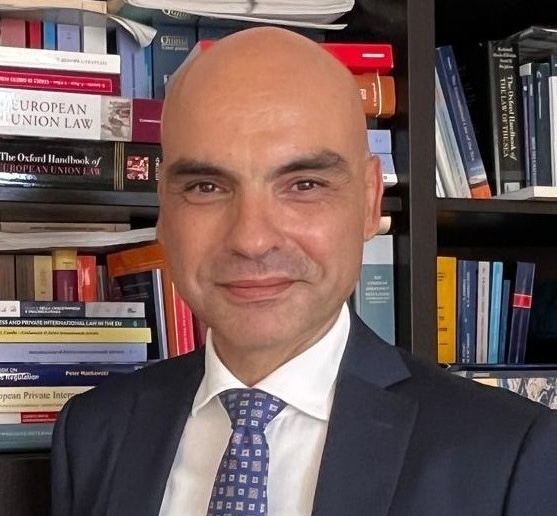
Antonio Leandro
Antonio Leandro (Law Degree, Bari; PhD, Rome-La Sapienza) is a Full Professor of International Law at the Department of Law of the Aldo Moro University of Bari, where he teaches public and private international law, international law of the sea, and international trade law. Expert for the European Commission and UNIDROIT, member of the Italian Foreign Policy and Security Laboratory at the CISS, he has been appointed as Scientific Advisor to the Italian Navy. He served as a director of a short-term master’s program on safety and security at sea in cooperation with the Italian Financial Police (Guardia di Finanza).
Author of five monographs and several scientific papers, he is also editor or co-editor of six collective volumes. He serves on the editorial boards of several academic journals and co-directs an international law book series. His research interests range across private international law, public international law, and their intersections with European Union law.
As regards maritime topics, he particularly focused – through scientific publications, workshops and lectures – on the Exclusive Economic Zone, maritime security, piracy, criminal jurisdiction at sea, migration by sea, maritime labour safety standards, naval peace-keeping, maritime spatial planning, underwater normative and regulatory framework, foreign direct investments in port and maritime environment, economic warfare in maritime activities, GHG emissions, and sustainable development in ocean governance.
-
crocca
-
Emiliana De Blasio
Emiliana De Blasio is Advisor to the Rector for Diversity, Inclusion and Sustainability and Professor of Sociology of Cultural and Communicative Processes at LUISS, where she teaches Sociology of Communication, Open government, Political participation and governance and Gender politics. She has been awarded research grants such as FIRB and PRIN and coordinated several research projects throughout her career.
She has taught at Italian and foreign universities, including New York University, SciencesPo, Pontifical Gregorian University, University of Molise. She regularly teaches at LUISS Masters, Executive Masters and School of Journalism on topics related to inclusion, diversity and sustainability. She is also part of the Italian Open Government Forum and member of several scientific associations such as SISCC, AssoComPol, ECPR, ESA, SISP.
-
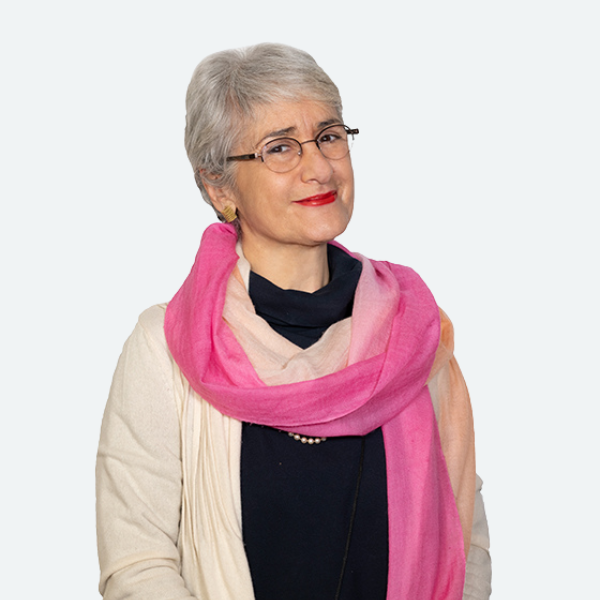
Francesca Maria Corrao
Francesca Maria Corrao is Full Professor of Arabic Culture and Language in the Department of Political Science in LUISS University of Rome, director of MISLAM Program (Master in Economics and Institutions of Islamic Countries) of the School of Government at the same university. Previously she was Professor at the University of Naples “L’Orientale” (1996-2011), and visiting professor at the Alsun Faculty of the ‘Ayn Shams University in Cairo (2004), École Pratique des Hautes Études en Sciences Sociales (Paris 2007), at Fudan University (Shanghai 2017), Science Pò (Menton 2017/19). She held conferences and seminars at the Universities of Cairo, Beirut, Amman, Rabat, Tunis, Cambridge, Oxford and Harvard. The main focus of her scholarly activity is on Arabic Literature, Islamic Culture and History, Mediterranean Studies, Intercultural dialogue.
In “L’Orientale” University of Naples, Corrao was in charge of the Socrates European Projects: “Les Communautés Africaines en Europe” ( Paris 2000), Les Communautés Musulmanes en Europe” (Paris 2001). She is the “contact person” for the “Manifesto” for Inclusive University” (http://manifestouniversitainclusiva.unhcr.it/), Universities network for peace (RUniPace http://www.runipace.org/ ) and for the University Corridors for Refugees UNICORE 3.0 (http://universitycorridors.unhcr.it/ ); the latter is promoted by Italian universities with the support of UNHCR, in cooperation with the Italian Ministry of Foreign Affairs and other partners. Corrao chairs the Scientific Committee of the Fondazione Orestiadi in Gibellina (Sicily); She is Overseas Research member of the Institute of Oriental Studies (Soka University, Tokyo); and is also Member of the European Union of Arabist and Islamist (UEAI), the Scientific Council of the Cortile dei Gentili (Pontifical Coucil for Culture, Vatican), International Affairs Institute IAI-Rome, the European Teachers of Modern Arabic Literature (EMTAR), Member of the Scientific committee of the Journals: Rivista Africa e Orienti, Semicerchio, ARABLIT, Journal of Arabic Literature, Dialoghi Mediterranei, open access e-journal of the Istituto Euro-Arabo.
Her most recent books include: Corrao F.M., Redaelli R., States, Actors and Geopolitical Drivers in the Mediterranean, Palgrave 2021; I cavalieri, le dame e i deserti. Storia della poesia araba (Istituto per l’Oriente, 2020); In guerra non mi cercate. Poesia araba delle rivoluzioni e oltre, with O. Capezio, E. Chiti e S. Sibilio (Le Monnier, 2018); L’Islam non è terrorismo, with L. Violante (Il Mulino, 2018); Islam, Religion and Politics (LUP, 2017); Islam, State and Modernity. Mohammed Abed Al-Jabri and the Future of the Arab World, with Z. Eyadat and M.Hashas (Palgrave, 2017); Le Rivoluzioni Arabe. La transizione Mediterranea, (Mondadori, 2011); Poeti Arabi di Sicilia (Mesogea, 2002); Giufà il furbo, lo sciocco, il saggio (Sellerio 2001, Nawādir Juhā, in Arabic 2020).
-
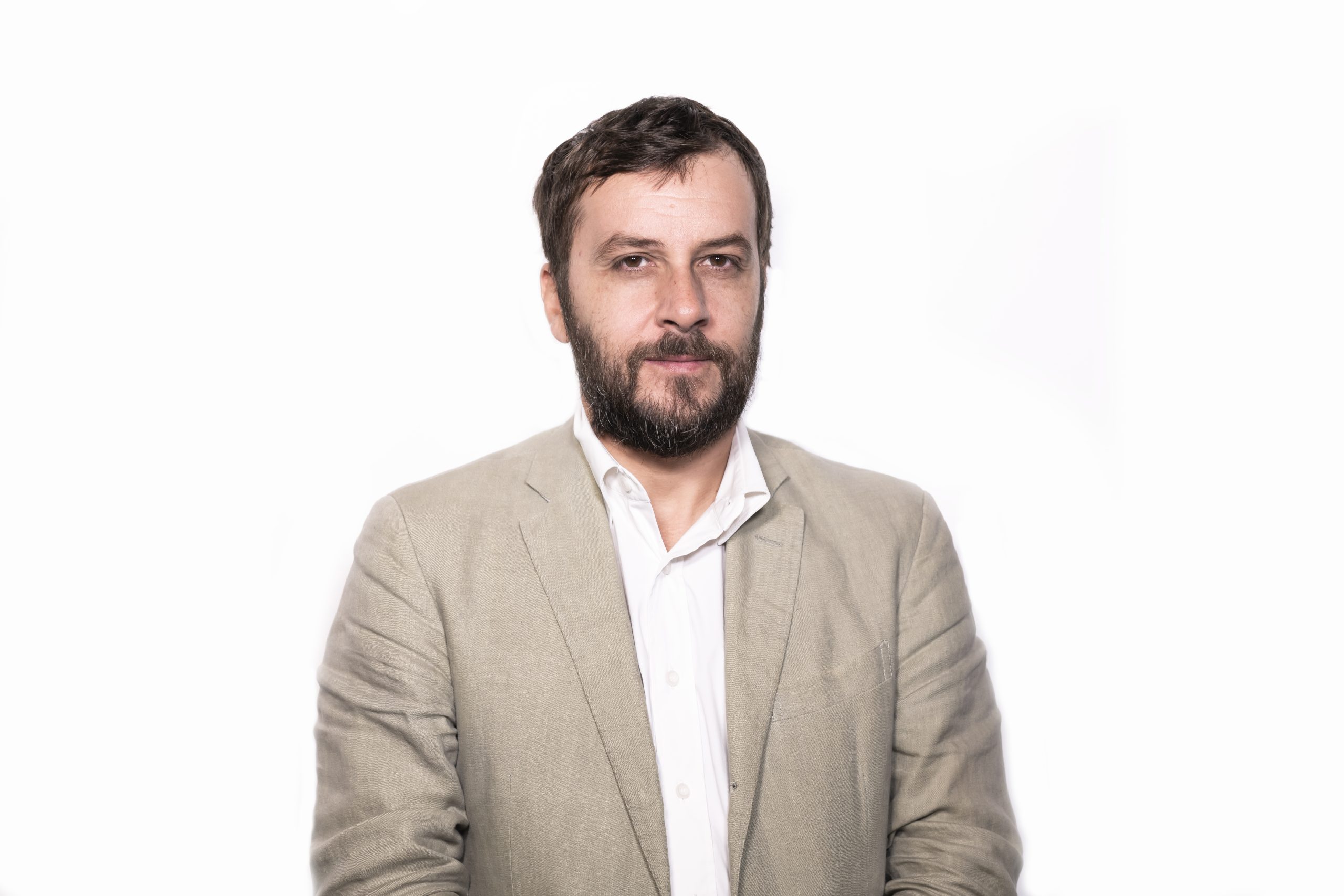
Francesco Cherubini
Francesco Cherubini is Associate Professor of EU Law at the Department of Political Science, Luiss “Guido Carli”, Rome. He is also the Director of the Luiss intensive course for the diplomatic career and the coordinator of the Luiss Master in Art Law. From 2022, he is UNCHR independent expert at the Rome Commission for asylum. Among his recent publications: Decisions under the Law of European Union: ‘You May Be Six People, but I Love You’, in YEL, 2022, pp- 1-60.
-
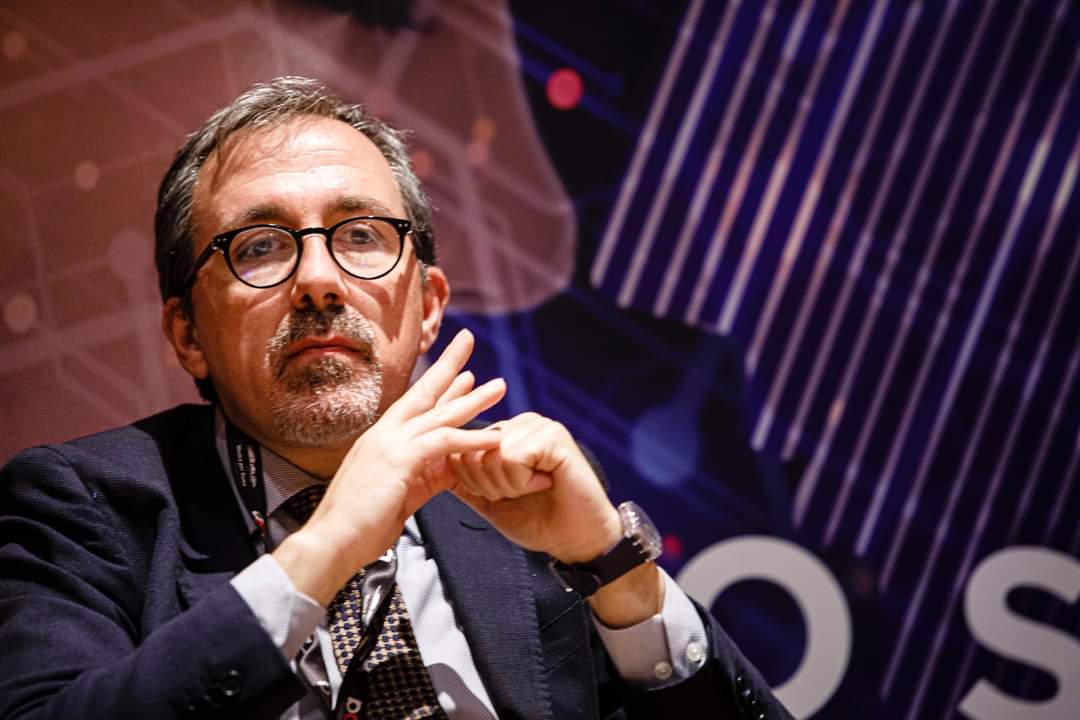
Gianfranco Pellegrino
Gianfranco Pellegrino is an Associate Professor at LUISS Guido Carli Rome, where he teaches Political Philosophy. His interests are in the history of political thought (mainly Jeremy Bentham and Henry Sidgwick), distributive justice theories, migration, and environmental ethics. He wrote on global justice, the ethics of climate change and the Anthropocene. Among his publications: The Handbook of the Philosophy of Climate Change (edited with M. Di Paola), Springer, Switzerland, 2023, “Sidgwick and the Many Guises of the Good”, Philosophical Explorations, 2021; “Robust Responsibility for Climate Harms”, Ethical Theory and Moral Practice, 2018, “Climate Refugees: A Case for Protection”, in G. Pellegrino e M. Di Paola, eds, Canned Heat. Theoretical and Practical Challenges of Global Climate Change, London/Delhi: Routledge, 2014.
-
gnardacci
Researcher
-
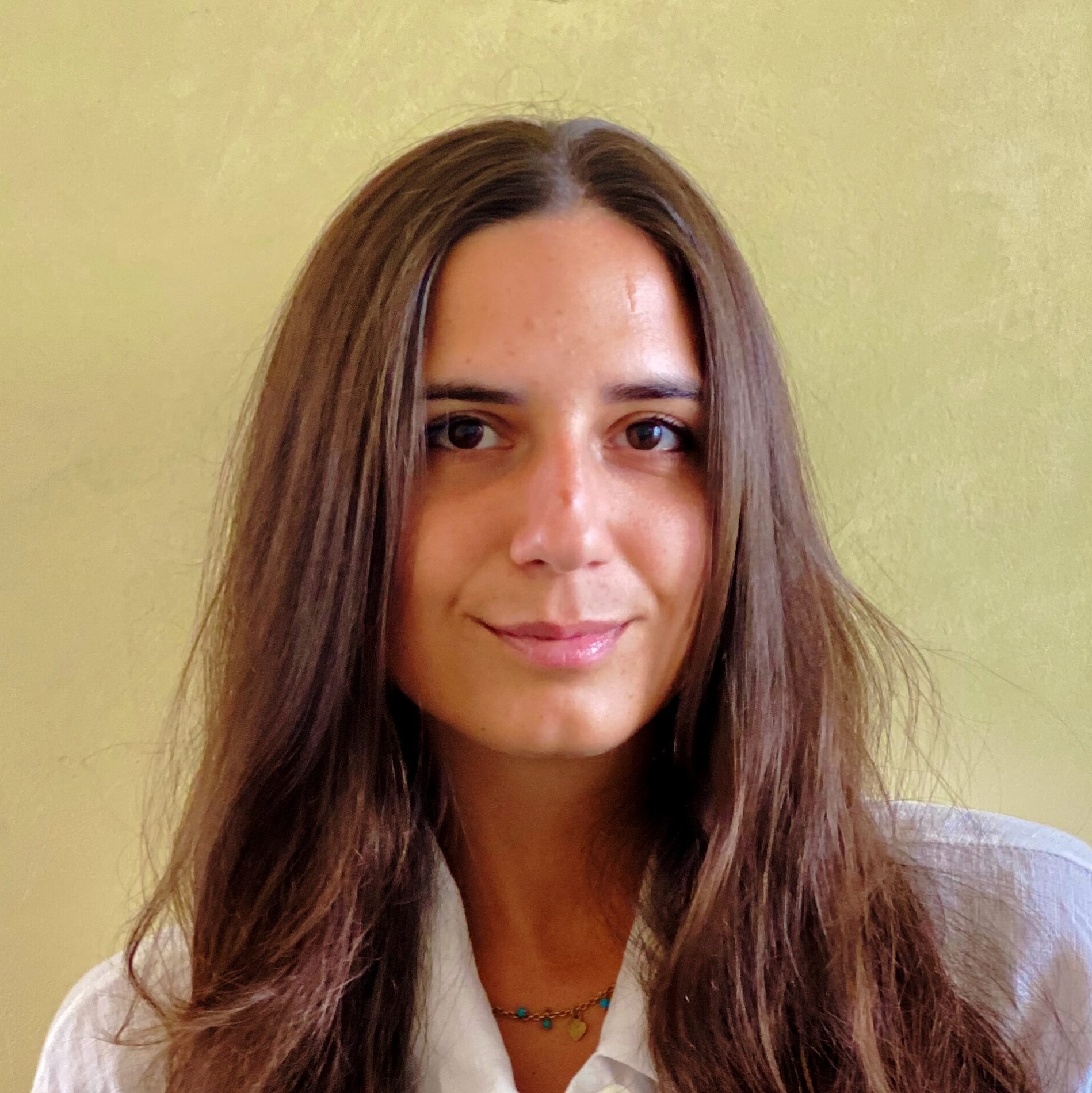
Rebecca Maria Perla Iotti
Rebecca Maria Perla Iotti is a PhD candidate at LUISS Guido Carli University. Her research interests intersect across International Relations, Geopolitics, and Political Economy, with a focus on Chinese Economic Statecraft. She previously earned a Master’s degree in Politics and Economics from the University of Bologna and studied at the University of Bologna and Sciences Po Paris. She is currently a Teaching Assistant at LUISS University.
-

Renata Pipicelli
Renata Pepicelli is Associate Professor of History of Islamic countries at the department of Civilizations and forms of knowledge at University of Pisa, where she teaches History of contemporary Arab world and Islamic Studies. In 2017 she was visiting scholar at the University of Bristol, in 2018 at the University Cadi Ayyad of Marrakesh, in 2020 at the University of Kairouan, in May 2022 at University of Granada. Her scholarly activity focuses on gender studies in Islamic contexts, particularly in North Africa and Europe, social movements and Islamism in the MENA region. Recently she has also started to investigate the subject of enviromental crises and social movements in the Arab world. Her 2010 book titled Femminismo islamico: Corano, diritti, riforme is considered a milestone in the field of studies on gender in Islamic context with 10 reprints. Her book Il velo nell’Islam: Storia, politica, estetica (Carocci 2012) was translated in Finnish by the publishing house Vastapaino in 2014.
-
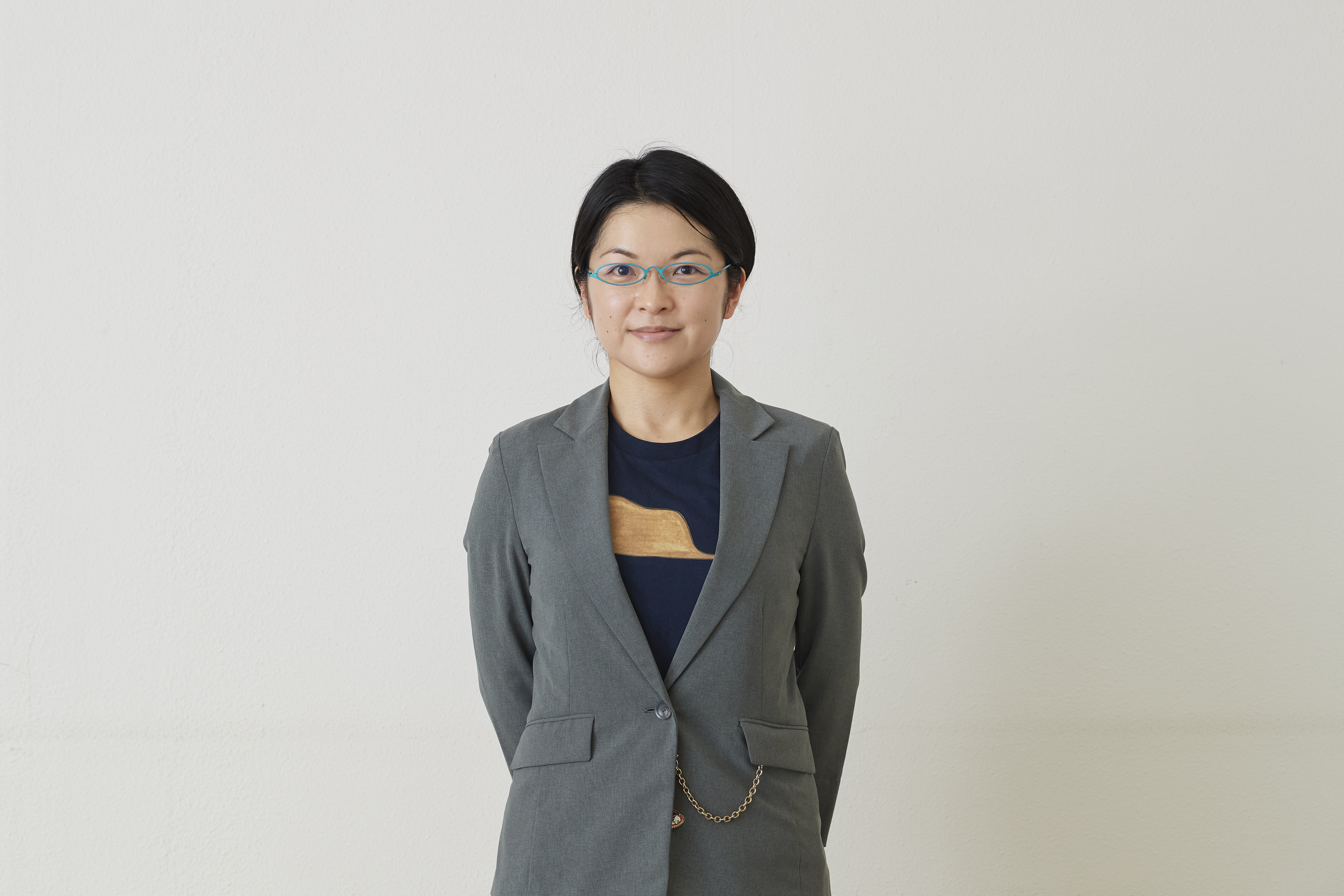
Satoko Kawamura
Satoko Kawamura is Professor and Associate Dean at the College and the Graduate School of International Relations of Ritsumeikan University, Kyoto Japan. Deputy Director at the Institute of Humanities, Human and Social Sciences of the Kinugasa Research Organization of Ritsumeikan. Specialized fields: International Relations (Governance of Advanced Technology, Thought of International Relations), International Administration, the Law of International Relations, and the Sociology of International Relations. Currently work: A research about the system of transnational governance and its norms, which are established by not only states or international organizations but also non-state actors that regulate themselves voluntarily. On Global Order: The Resonance of Transborder Thought, Institutions, and Norms published in Japanese is under translation into English.
-
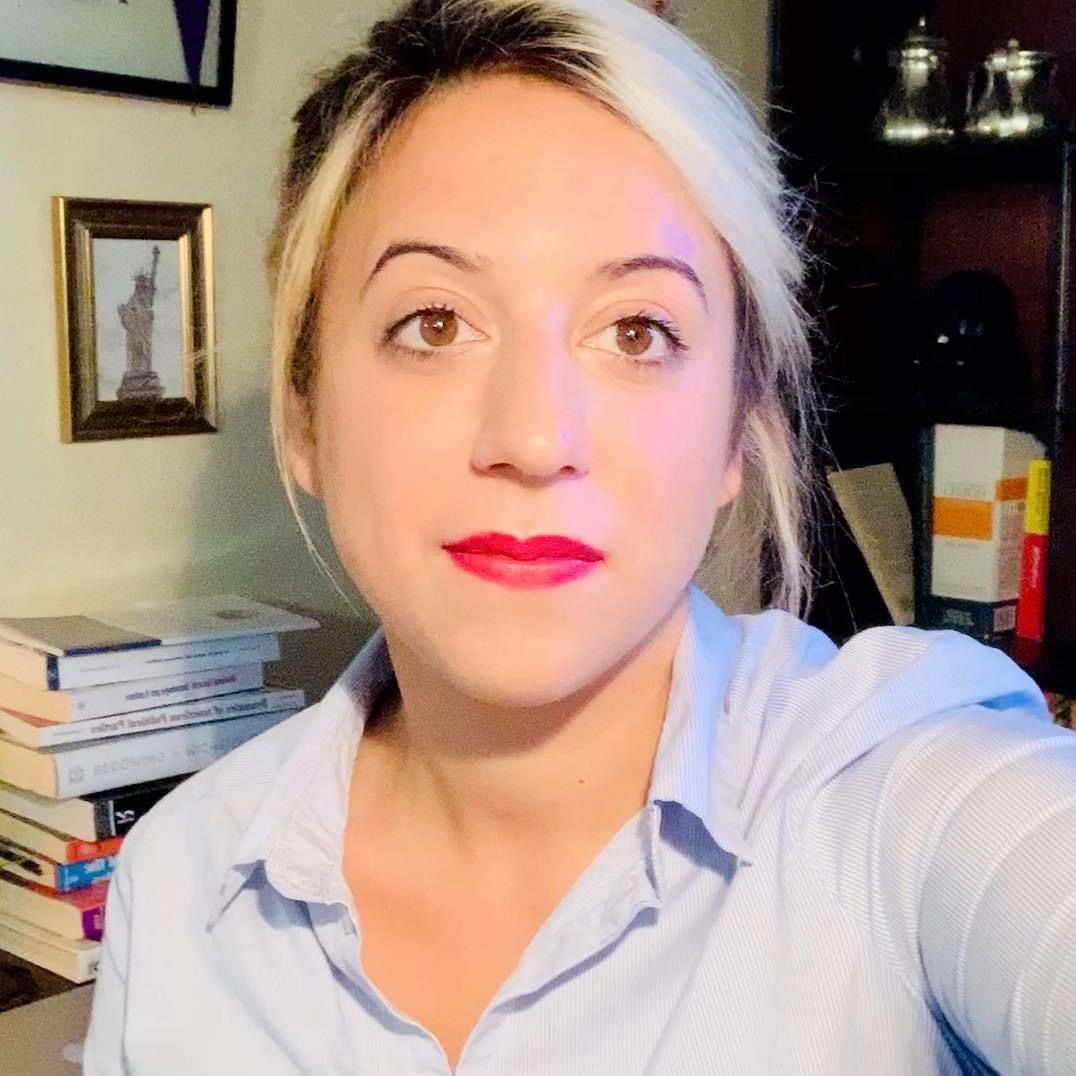
Sofia Eliodori
Sofia Eliodori earned her Ph.D. in International Relations from the University for Foreigners of Perugia in 2022. Currently, she is collaborating with the Law department of LUISS Guido Carli as a Postdoctoral Fellow, engaged in the Horizon project EUARENAS, focusing on the democratic dynamics in cities. Her primary area of interest lies in understanding the intricacies of United States domestic and foreign policy, Atlantic relations, and Italy-US relations. She’s also attentive to populism, diasporas, public communication and public diplomacy.
-
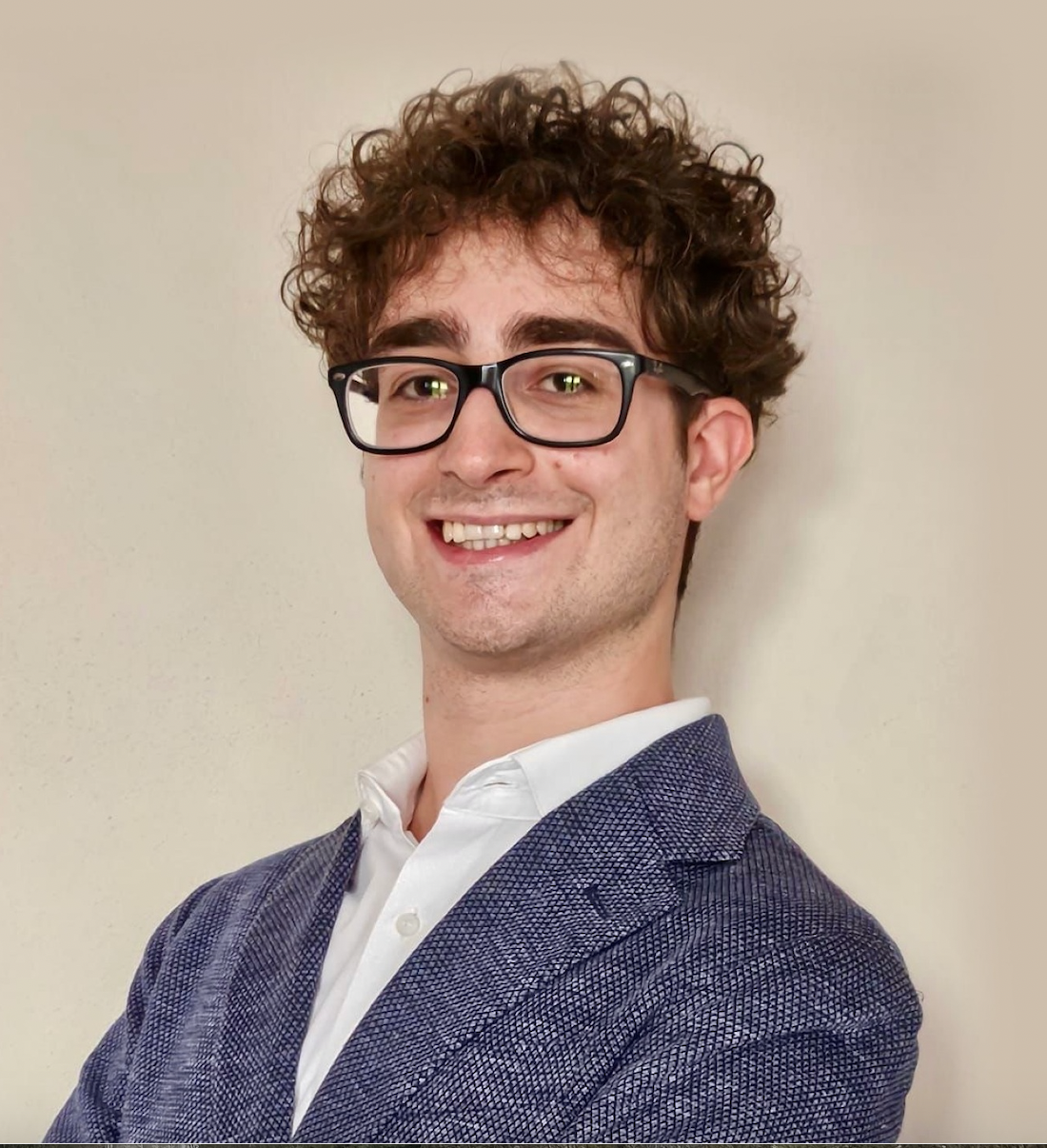
Stefano Ponzone
Stefano Ponzone holds a Double Master’s Degree in International Relations from LUISS Guido Carli University and China Foreign Affairs University in Beijing, where he spent one year studying Chinese foreign policy and international affairs. His research interests include China’s role in multilateral institutions, technological competition, strategic autonomy, and the evolution of China’s international influence. Alongside his academic activities, he has gained professional experience in international and European environments, including the Italian Ministry of Foreign Affairs and International Cooperation, IFAD, EUROCONTROL, and the European Commission, where he worked as a Blue Book Trainee at DG CONNECT on European digital policies and technological innovation. He is fluent in English and French and has knowledge of Mandarin Chinese.
-
Susan Elkholy
-
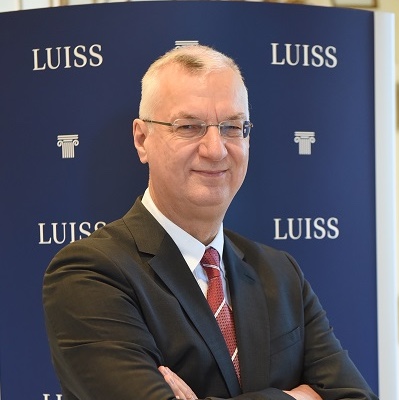
Thomas Christiansen
Thomas Christiansen joined Luiss University as a Professor in the Political Science Department in September 2019. He previously held positions at Maastricht University, at the European Institute of Public Administration, at Aberystwyth University of Wales and at Essex University. He is Executive Editor of the Journal of European Integration and co-editor (with Sophie Vanhoonacker) of the ‘European Administration Governance’ book series at Palgrave Macmillan. He has published widely on different aspects of European Union politics. He recently co-authored, with Emil Kirchner and Uwe Wissenbach, The European Union and China (London: Palgrave, 2019) and co-edited, with Elena Griglio and Nicola Lupo, The Routledge Handbook of Parliamentary Administrations (London: Routledge, 2023).
-
Valentino Trenga
Valentino holds a bachelor’s and master’s degree in International Relations from LUISS University in Rome, graduating with top marks and honors. He completed his master’s degree through a double degree programme with MGIMO University in Moscow, majoring in Global Governance. He works at Revolut as a FinCrime & Sanctions Analyst and has gained professional experience in International Sanctions, Trade Law, EU Law, and Global Governance across governmental institutions, IOs, law firms, and diplomatic missions. He has a strong personal interest in political–diplomatic, and international finance dynamics, with a particular focus on developing countries of the Islamic world, Africa, and the Americas.
-

Veronica Strina
Veronica Strina is an adjunct professor of Chinese language, culture and institutions at the University of Salerno. Her research interests focus on China’s public and cultural diplomacy, with particular attention to the influence of Confucian thought on the PRC’s foreign policy behavior and its visions of the international order. She holds a PhD in Diplomacy and International Cooperation from the University for Foreigners of Perugia, with a dissertation on China’s global role viewed through the lens of its cultural projection and engagements in the Xi Jinping era. She has been a visiting PhD fellow at NATO Defense College, the Defence Studies Department of King’s College London, and the School of Education at Shanghai International Studies University. She has a background in international relations and sinology, with study experiences in China, particularly at Peking University and Fudan University.
-
Xiaotong Zhang
Prof. Xiaotong Zhang is Professor of Political Science and International Relations at KIMEP University (Kazakhstan), where he serves as Director of the China and Central Asia Studies Center (CCASC). He is Editor-in-Chief of the journal Economic Diplomacy and serves as Series Editor of the Routledge book series Major Powers and Central Asia.
His research bridges International Relations, International Political Economy, and Political Geography to examine how economic power is reshaping international order in an era of intensifying geopolitical and geoeconomic competition. His work develops an integrated research agenda spanning economic diplomacy, economic statecraft, geoeconomics, economic security, economic warfare, and business diplomacy, with a particular focus on how states, businesses, and regional actors exercise agency and pursue strategic autonomy in a fragmented world.
Drawing on comparative perspectives across China, the European Union, Central Asia, Eurasia, and the world’s Mediterranean seas, his recent research examines middle powers, multi-vector diplomacy, geopolitical risk, regional order, and changing patterns of international alignment. Combining conceptual innovation with comparative empirical research, he develops new analytical frameworks for understanding the changing geography of economic power.
Professor Zhang has authored numerous books and co-edited several scholarly volumes. His publications reflect the evolution of his research from European studies and economic diplomacy to economic statecraft, geoeconomics, and business diplomacy. His books include Linkage Power Europe (2023), New Economic Statecraft (2024), China’s Modern Economic Statecraft (2025), and Business Diplomacy (2026). Earlier, he co-edited Deepening the EU–China Partnership (with Mario Telò and Ding Chun, 2018).
He received his PhD in Political Science from the Université libre de Bruxelles (ULB), Belgium.